
Natural Capital: Why Nature Should Be Recognized as the World’s Most Valuable Asset

When people hear the word capital, they usually think of money.
Businesses invest financial capital to generate profit. Governments invest in infrastructure to stimulate economic growth. Families save capital to secure their future.
Yet humanity depends on another form of capital—one that rarely appears on balance sheets despite supporting every economy on Earth.
It is called Natural Capital.
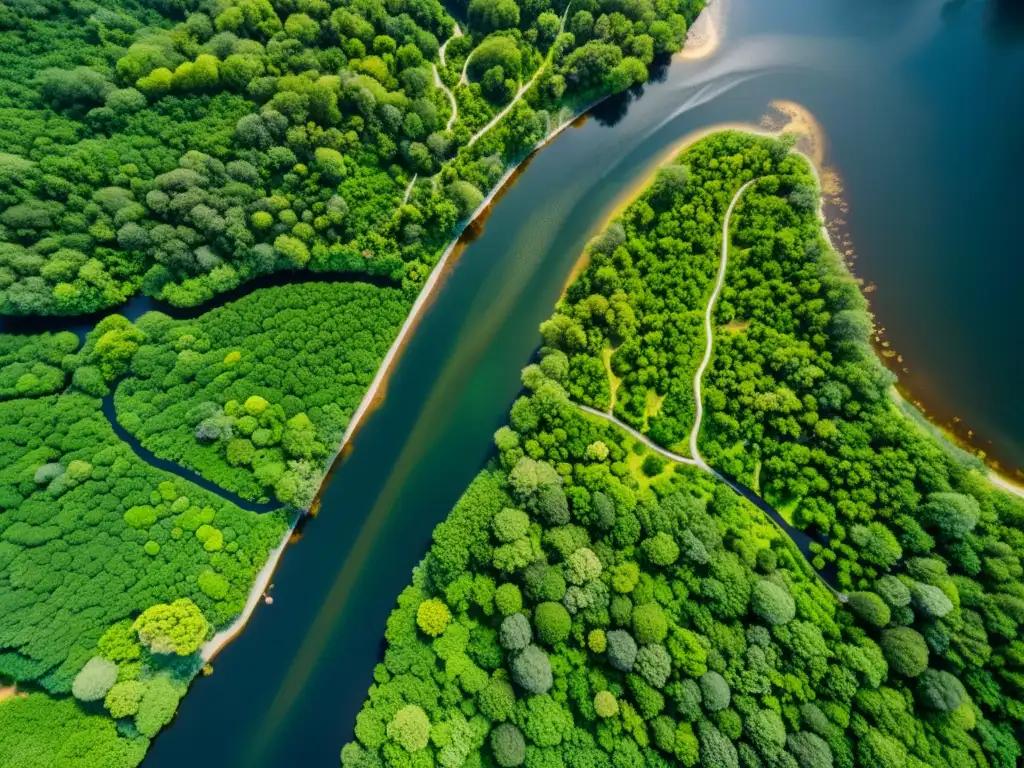
Forests regulate rainfall. Wetlands reduce floods. Rivers provide freshwater. Healthy soils produce food. Pollinators support agriculture. Oceans regulate the climate. These natural systems continuously generate benefits that make economic activity possible, but because they are rarely assigned measurable value, they are often treated as if they are free and limitless.
The result is a dangerous imbalance.
We carefully account for financial assets while quietly depleting the ecological assets that sustain them.
Nature Is Productive Infrastructure
A factory produces goods.
A power station generates electricity.
A highway connects markets.
These are forms of built capital.
Natural ecosystems perform equally important functions.
A forest captures carbon, stabilises soil, regulates local temperatures, and supports biodiversity.
A wetland filters pollutants, stores floodwater, and replenishes groundwater.
Healthy soils recycle nutrients, retain moisture, and sustain agriculture.
These services require no fuel deliveries, no operating contracts, and no monthly maintenance budgets.
Nature has been providing them continuously for millions of years.
Recognising ecosystems as productive infrastructure changes how society values conservation.
The Cost of Ignoring Natural Capital
Environmental degradation is often treated as a separate issue from economic development.
In reality, they are deeply connected.
When forests disappear, flood risks increase.
When wetlands are drained, cities spend more on drainage systems.
When pollinators decline, agricultural productivity becomes less reliable.
When soils degrade, food production becomes increasingly expensive.
These are not only ecological losses.
They are economic losses.
The challenge is that many of these costs appear years after ecosystems have already been damaged.
By then, restoring natural capital becomes far more expensive than protecting it in the first place.
Measuring What Truly Matters
Traditional economic indicators such as Gross Domestic Product (GDP) measure production and consumption.
They do not reveal whether the natural systems supporting that production are becoming stronger or weaker.
A country may experience rapid economic growth while simultaneously losing forests, exhausting groundwater, degrading soils, and reducing biodiversity.
Without ecological indicators, development can appear successful even as environmental resilience declines.
Future prosperity will require measuring both financial and natural wealth.
Investing in Ecological Assets
Investment has traditionally focused on roads, industries, and urban expansion.
The coming decades may require similar investment in ecosystems.
Restoring degraded rivers.
Protecting wetlands.
Improving soil health.
Expanding urban forests.
Recovering biodiversity.
These actions should not be viewed as environmental expenses.
They are investments that strengthen climate resilience, reduce disaster risks, improve public health, and support long-term economic stability.
Healthy ecosystems continuously generate value long after restoration projects are completed.
A New Definition of Wealth
The wealthiest societies of the future may not simply be those with the highest incomes.
They may also be those with the healthiest rivers, the most resilient forests, the cleanest air, the richest biodiversity, and the most secure freshwater systems.
Natural capital expands the definition of prosperity.
It reminds us that economic success ultimately depends upon ecological stability.
Without functioning ecosystems, financial wealth becomes increasingly difficult to sustain.
HFN Solution Framework
Heavendoo Foundation believes environmental conservation should evolve from protecting isolated ecosystems to managing natural capital as a strategic national asset.
Short-Term
- Develop educational resources explaining Natural Capital in simple, public-friendly language.
- Conduct local ecosystem inventories documenting forests, wetlands, water bodies, and biodiversity.
- Raise awareness about the economic value of ecosystem services.
Medium-Term
- Build the HFN Natural Capital Map, integrating GIS, field surveys, and ecological indicators to identify critical natural assets.
- Publish annual assessments estimating how restored ecosystems contribute to water security, climate resilience, and community well-being.
- Partner with academic institutions to strengthen research on ecosystem valuation.
Long-Term
- Launch the HFN Natural Capital Index, measuring ecological wealth alongside environmental risk.
- Develop AI-powered decision-support tools that help communities evaluate how development projects affect natural capital.
- Advocate for environmental planning frameworks that recognise ecological assets as part of long-term economic development.
HFN Vision 2040
Heavendoo envisions a future where forests, wetlands, rivers, and biodiversity are no longer viewed as obstacles to development, but as strategic national assets that strengthen economies, reduce risks, and improve quality of life.
The goal is not simply to conserve nature.
The goal is to manage natural capital wisely so that both ecosystems and economies remain resilient for generations to come.
HFN Observation
“The richest nation is not necessarily the one that extracts the most from nature. It is the one that protects the natural systems upon which every generation depends.”
True prosperity cannot be measured only in currency.
It must also be measured in healthy ecosystems, secure freshwater, fertile soils, thriving biodiversity, and resilient communities.
HFN Research Questions
- Should Natural Capital Accounting become part of national and state development planning?
- Can cities measure the economic value of their forests, wetlands, and urban biodiversity?
- How can AI, satellite monitoring, and ecological science improve Natural Capital assessments?
- Should every major infrastructure project include a publicly available Natural Capital Impact Assessment before approval?