
Measuring Nature: Why the Future of Environmental Conservation Depends on Data, Not Assumptions

For decades, environmental success has often been measured by activities rather than outcomes.
An organization reports that it planted 50,000 trees.
A city announces a river-cleaning campaign.
A company publishes the number of volunteers who participated in a cleanup drive.
These achievements may be important, but they reveal only what was done, not what actually changed.
How many of those trees survived after five years?
Did the river’s water quality improve?
Did biodiversity return?
Was groundwater recharge measurable?
Were carbon emissions genuinely reduced?
Without reliable data, environmental conservation risks becoming a collection of good intentions rather than measurable progress.
The future of sustainability will belong to organizations that can demonstrate impact—not simply describe effort.
The Measurement Gap
Modern society measures almost everything.
Businesses measure revenue.
Hospitals measure patient outcomes.
Universities measure graduation rates.
Cities measure economic growth.
Yet environmental projects often lack long-term, standardized monitoring.
Many initiatives begin with enthusiasm but end with little information about their real ecological impact.
This creates what environmental researchers increasingly describe as the measurement gap.
When outcomes remain unknown, learning becomes difficult, public trust weakens, and future projects cannot be improved effectively.
Why Numbers Matter
Environmental restoration unfolds over years rather than weeks.
A sapling planted today may require five years before it becomes self-sustaining.
A restored wetland may need a decade before biodiversity significantly improves.
A degraded river may recover only after sustained conservation efforts.
Because ecosystems change gradually, continuous monitoring becomes essential.
The right data allows organizations to answer important questions:
- Are restoration efforts working?
- Which methods produce the highest survival rates?
- Where are interventions failing?
- Which ecosystems require additional support?
- How should future resources be allocated?
Without measurement, conservation becomes difficult to evaluate scientifically.
Technology is Changing Environmental Monitoring
Recent advances have transformed the way ecosystems can be monitored.
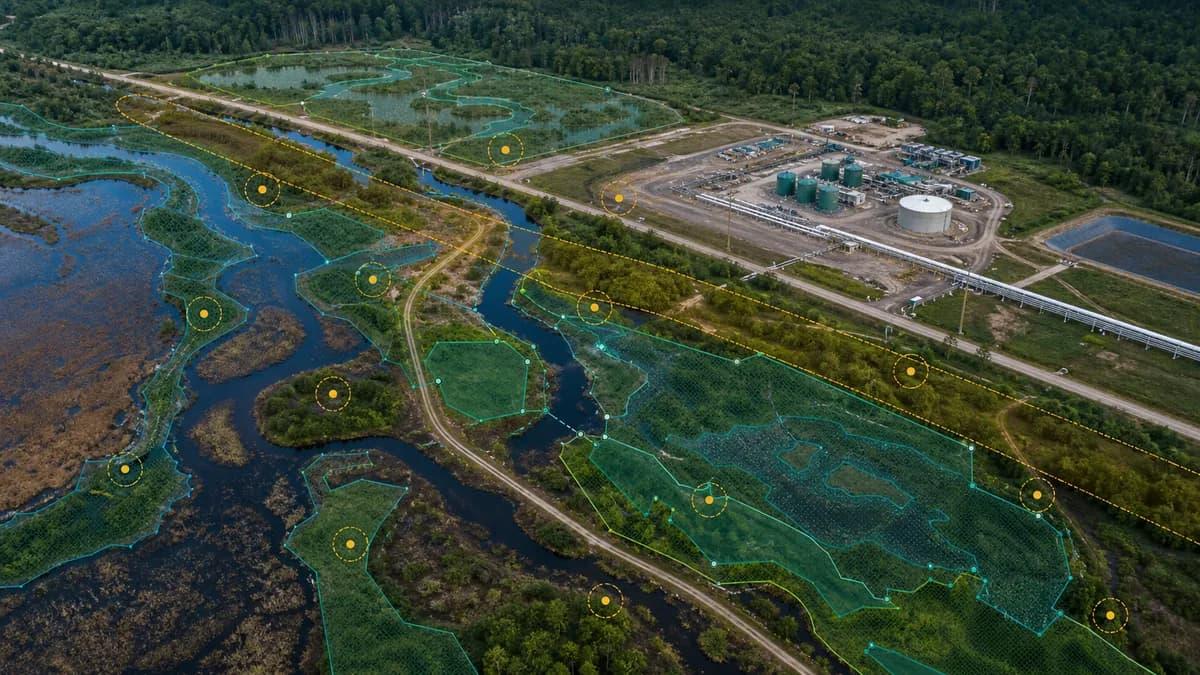
Satellite imagery now allows vegetation changes to be observed over large landscapes.
Drones provide high-resolution assessments of forest health.
GPS enables precise mapping of restoration sites.
Environmental sensors continuously monitor air and water quality.
Artificial Intelligence can identify patterns that humans may overlook.
These technologies do not replace fieldwork.
They strengthen it by improving accuracy, efficiency, and transparency.
From Activities to Outcomes
The next generation of environmental organizations will likely shift their focus from reporting activities to reporting measurable outcomes.
Instead of saying:
“We planted 10,000 trees.”
Future reports may say:
“Eighty-seven percent of planted trees survived after five years, increasing local canopy cover by 14%, improving soil moisture, and supporting the return of twelve native bird species.”
The difference is profound.
One statement describes effort.
The other demonstrates impact.
Building Public Trust Through Transparency
Environmental projects often depend upon public support.
Citizens, volunteers, donors, and institutions increasingly want evidence that their contributions are creating measurable change.
Transparency is therefore becoming an environmental resource in its own right.
Open data, public dashboards, independent monitoring, and long-term reporting strengthen credibility while encouraging continuous improvement.
Trust grows when evidence remains visible.
HFN Solution Framework
Heavendoo Foundation believes environmental restoration should become one of the world’s most transparent scientific processes.
Every ecological intervention should generate knowledge that benefits future conservation efforts.
Short-Term
- Geo-tag every restoration project.
- Publish baseline environmental data before implementation.
- Create simple public dashboards showing project progress.
Medium-Term
- Use drones, GIS, and citizen science to monitor ecological change.
- Develop biodiversity, soil, and water monitoring protocols.
- Publish annual impact reports using standardized environmental indicators.
Long-Term
- Launch the HFN Environmental Transparency Platform, integrating satellite imagery, AI analysis, field observations, and community reporting into a single open-access system.
- Develop the HFN Restoration Impact Index, allowing projects to be compared based on measurable ecological outcomes rather than activity counts.
- Encourage governments, institutions, and NGOs to adopt transparent environmental reporting standards.
HFN Vision 2040
Heavendoo envisions a future where every environmental project is accompanied by publicly accessible scientific evidence.
Communities should be able to see how ecosystems change over time, understand where resources are invested, and participate in monitoring the landscapes they help restore.
Environmental transparency should become as fundamental to conservation as restoration itself.
HFN Observation
“Nature does not respond to promises. It responds to measurable action sustained over time.”
The next era of environmental leadership will not belong to the organizations making the largest claims.
It will belong to those producing the clearest evidence.
HFN Research Questions
- Should every publicly funded environmental project be required to publish long-term ecological monitoring data?
- Can AI and satellite imagery make conservation reporting more transparent and accessible?
- How can citizen science strengthen environmental accountability without compromising scientific quality?
- What global standards should define measurable ecological success?