
The World’s Plastic Treaty Is Stuck Why countries still can’t agree on tackling plastic production.

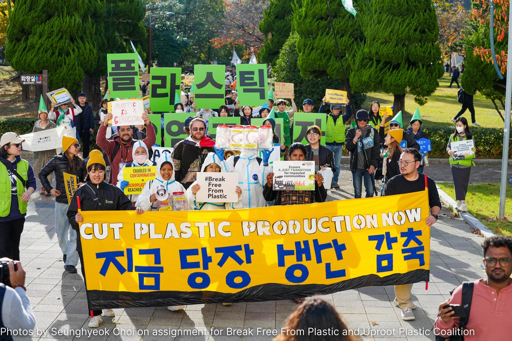
Over three years into the UN-brokered global plastics treaty, and 184 nations have yet to reach consensus on whether to limit plastic production at source or to address waste management and recycling alone.
What the treaty was meant to do
The treaty was initiated in 2022 to establish a legal treaty to ban plastic pollution through the entire plastics life cycle-begging with production and design, through use, and ending with disposal. It covers:
• Reduce plastic production and consumption
• Improving product design for reuse and recyclability
• Managing waste more effectively
Controlling toxic chemicals used in plastics
Supporting financing and capacity-building for developing countries
Where negotiations stand now?
By August 2025, a new round of negotiations in Geneva failed to produce an agreement, the sixth such round in three years. Delegates missed deadlines but couldn’t find common ground, and no new formal negotiation session has been announced.
Why countries can’t agree?
1. Production caps vs. waste management
The central split is between:
The “high-ambition” coalition (more than 100 countries, including all the G20 – the EU, the UK, most African and Latin American nations and small island states): They want legally binding caps on plastic production, saying that recycling cannot possibly cope with surging manufacturing.
‘Like-minded’ plastic- and oil-producing countries (the US, Saudi Arabia, other Gulf States, Russia, India): They object to global caps on production and argue that the treaty should improve waste management and recycling, and voluntary reduction efforts.
Most plastics are based on oil and gas. Production caps therefore directly impact fossil fuel companies and their interests, along with national economies that depend on them.
2. Chemicals and health provisions
Another critical strand is whether the treaty will introduce global, legally binding regulations on the toxic chemicals used to produce plastics. Industry lobbying, and worries about trade and regulation, have eroded these rules in draft texts, NGOs say, with the treaty “going backwards” on health protections.
3. Binding obligations vs. voluntary measures
States are also divided on the level of obligation required by the treaty:
Developing and less developed countries are requesting hard targets and dates.
Other large economies and industry states favor voluntary, flexible commitments with national action plans rather than binding global restrictions.
This gap is exposed in central articles concerning production, chemicals, finance and implementation.
4. Economic and development arguments
Oil- and plastic-producing countries argue that:
Limiting production may be detrimental to economic growth and development, particularly in developing economies.
Pollution can be managed through recycling, redesign, and reuse while still allowing output to grow.
However, the high-ambition group and other scientists contend that:
Plastic will grow three times current levels by 2060, crushing waste systems and ecosystems.
No matter how much we are in a hurry to clean up, without tackling production, recycling and cleanup will always be behind.
Who is blocking what?
Reporting on the Geneva talksunderscores the role of:
United States: If opposed to global production caps and restrictions on specific plastic products or chemical additives.
Gulf states (e.g., Saudi Arabia): Promote a waste- and recycling-centric agreement, oppose caps on output.
Russia, India: Support the “like-minded” group on the latter. Credits. Access Asianews. To daily Asia News, founded in 1996, with a circulation of 27,959 copies 86% of which in Asia.
On the other hand, the EU, small island developing states, and many other countries from the Global South believe the treaty will do little to help communities impacted by plastic pollution unless it tackles the production problem.
What happens next?
With negotiations stalled:
A timetable for the formal resumption of talks has not been agreed but behind the scenes the diplomacy is ongoing.
Experts say any way forward may involve a new way of negotiating, political leadership, and perhaps isolating some of the issues (chemicals, finance) into separate work streams.
The future for a “high-ambition” treaty remains in the hands of civil society and some governments, whereas industry groups are demanding a less binding, waste-centric solution.
Until the world’s largest producers of plastics and fossil fuels change their position on caps on production and controls on chemicals, the global plastics treaty is unlikely to get anywhere.
References:
Reuters: “Analysis: What can break the global deadlock over plastics?” 20 August 2025
Nature: “The global plastics treaty can be saved (here’s how to break the deadlock)” 3 February 2026
The Guardian: “UN plastic treaty is going backwards, experts say” 13 August 2026
BBC News: “Global plastic talks collapse as countries remain deeply divided” 15 August 2025
Associated Press: “Plastic pollution treaty talks fail in Geneva” 15 August 2025
The Guardian: “Plastic pollution talks fail as negotiators in Geneva reject production limits” 15 August 2025
BBC News: “Global plastic talks collapse as oil states rebel” 1 December 2024
CBC News: “Global plastics treaty negotiations fail to reach a consensus again” 15 August 2025
Associated Press: “Nations gather in Geneva to again confront the world’s spiraling plastic pollution crisis” 5 August 2025
IUCN: “Plastics Treaty negotiations end without agreement in Geneva, yet many countries and stakeholders remain committed” 15 August 2025