
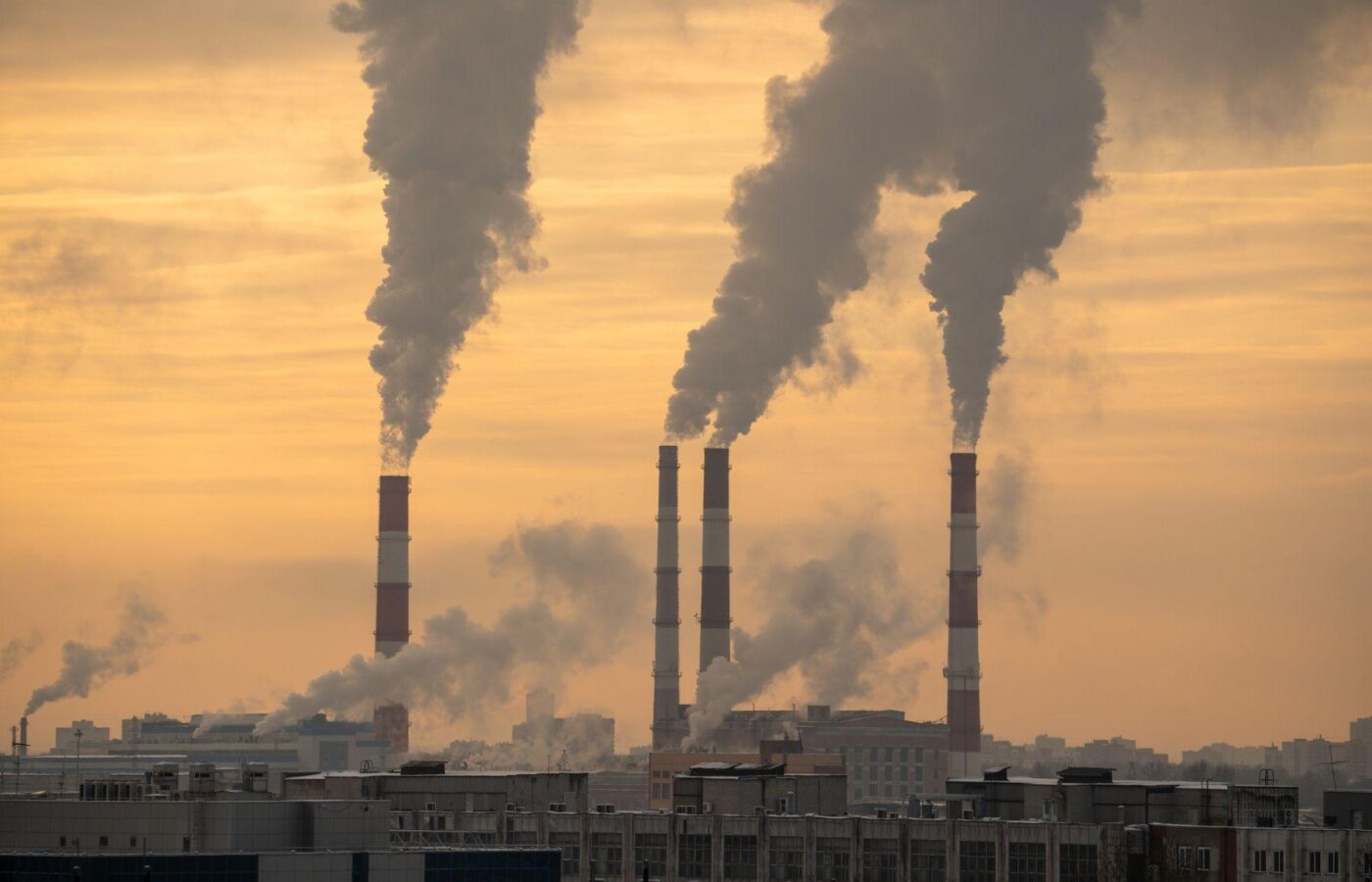
The Fresh Air Illusion: Why Planting Trees Alone Cannot Solve Air Pollution

Every year, millions of trees are planted across the world with the promise of cleaner air.
The message is simple and inspiring:
“Plant a tree. Fight pollution.”
Trees are undeniably among Earth’s greatest natural allies. They capture carbon, provide shade, reduce urban temperatures, support biodiversity, and improve the quality of life in countless ways.
Yet when it comes to urban air pollution, one important scientific reality is often overlooked.
Trees alone cannot solve the air pollution crisis.
This is not because trees are ineffective.
It is because air pollution is far more complex than a single environmental intervention can address.
Understanding this distinction is essential if cities are to design strategies that genuinely improve public health.
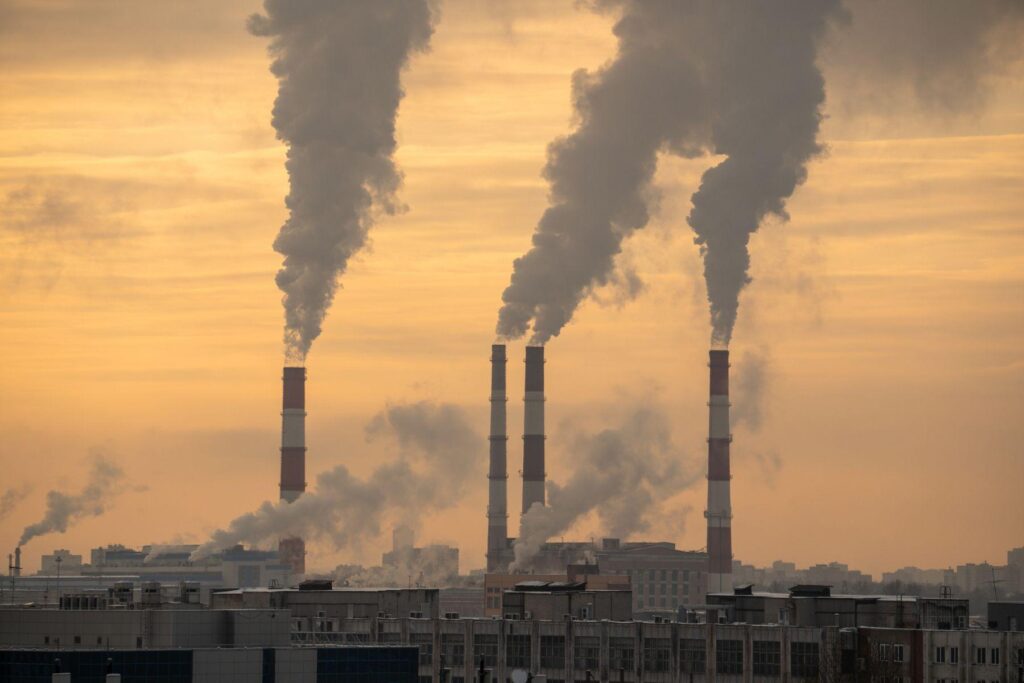
Air Pollution Has Many Sources
The air we breathe is influenced by a wide range of pollution sources, including:
- Vehicle emissions.
- Industrial activities.
- Construction dust.
- Open waste burning.
- Crop residue burning.
- Diesel generators.
- Domestic solid fuel use.
Each source releases different pollutants, such as particulate matter (PM2.5 and PM10), nitrogen oxides, sulphur dioxide, ozone precursors, and volatile organic compounds.
Because these pollutants behave differently in the atmosphere, no single solution can remove them all.
What Trees Actually Do
Trees contribute to cleaner cities in several important ways.
They can intercept some airborne particles on leaves and bark.
They provide shade, reducing urban temperatures.
They cool cities through evapotranspiration.
They absorb carbon dioxide and release oxygen.
They create healthier urban environments that support biodiversity and improve mental well-being.
These are extraordinary environmental services.
However, trees do not function as giant air purifiers capable of eliminating pollution produced continuously at its source.
If emissions remain unchecked, planting more trees alone cannot compensate.
The Importance of Source Reduction
Imagine trying to keep a room clean while leaving the tap running and the floor flooding.
No matter how much water is removed, the problem continues until the source is controlled.
Air pollution works in much the same way.
Reducing emissions at their origin is often more effective than relying solely on natural systems to absorb their impacts.
Cleaner transport.
Stronger industrial standards.
Dust management.
Cleaner energy.
Better waste management.
These interventions reduce pollution before it enters the atmosphere.
Trees Remain Essential
Recognising the limits of trees does not reduce their importance.
In fact, it strengthens the case for protecting and expanding urban forests.
Trees deliver multiple benefits beyond air quality.
They reduce heat stress, increase biodiversity, improve stormwater management, strengthen public health, and make cities more resilient to climate change.
Urban forests should therefore be viewed as one component of a comprehensive environmental strategy—not as the only solution.
A Systems Approach to Clean Air
Future cities will require integrated action.
Urban forests.
Clean public transport.
Renewable energy.
Low-emission industries.
Scientific monitoring.
Better urban planning.
Public awareness.
These measures reinforce one another.
The healthiest cities will not be those that plant the most trees.
They will be those that reduce pollution while restoring healthy ecosystems.
HFN Solution Framework
Heavendoo Foundation believes clean air requires both ecological restoration and emission reduction.
Environmental strategies should focus on preventing pollution while strengthening nature’s ability to support healthier cities.
Short-Term
- Promote public awareness explaining the multiple causes of air pollution.
- Identify pollution hotspots using low-cost air quality sensors.
- Expand native urban tree plantations in areas where they provide maximum ecological benefit.
Medium-Term
- Develop green corridors linking parks, schools, roadsides, and community spaces.
- Partner with local authorities to monitor air quality and evaluate restoration outcomes.
- Encourage construction dust management and cleaner transport initiatives.
Long-Term
- Launch the HFN Urban Air Resilience Index, combining air quality, green cover, heat exposure, and public health indicators.
- Integrate satellite observations, AI, and IoT sensors into city-wide environmental monitoring.
- Support policies that combine ecosystem restoration with science-based emission reduction.
HFN Vision 2040
Heavendoo envisions cities where environmental success is measured not only by the number of trees planted, but by cleaner air, healthier ecosystems, and improved quality of life.
Urban forests should become living infrastructure working alongside clean technology, responsible policy, and informed communities.
HFN Observation
“A tree should never be expected to compensate for pollution that society has the power to prevent.”
The future of clean air will depend not on choosing between nature and technology, but on allowing each to perform the role it does best.
HFN Research Questions
- How much can urban forests realistically improve local air quality under different pollution conditions?
- Should city air quality plans combine ecological restoration with mandatory emission reduction targets?
- Can AI and satellite monitoring help identify the locations where urban trees provide the greatest environmental benefit?
- How should governments measure the combined impact of clean transport, industrial controls, and urban forests on public health?