
The Concrete Trap: How Modern Cities Are Blocking Nature’s Water Cycle

Every year, cities witness two completely opposite disasters.
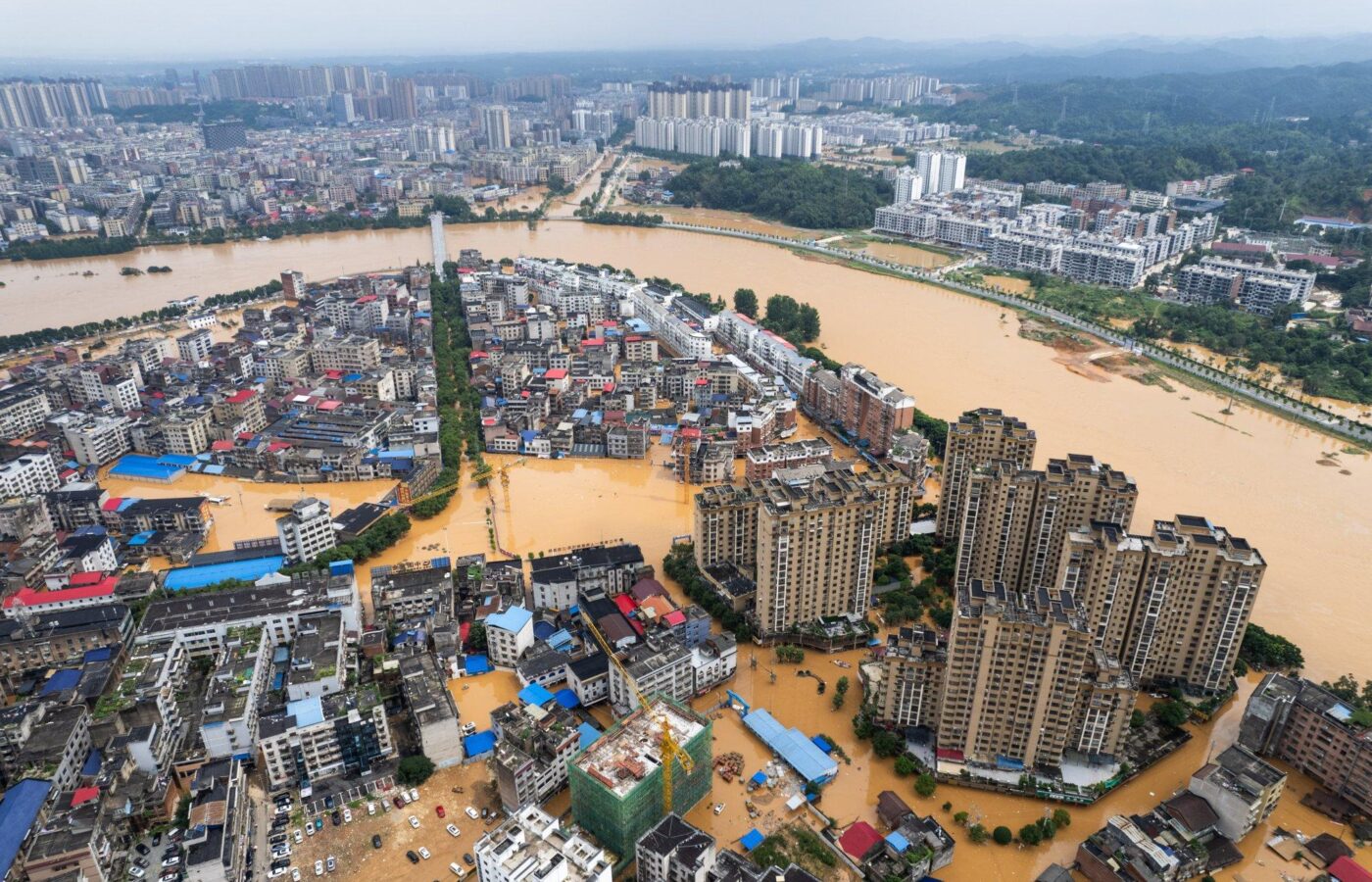
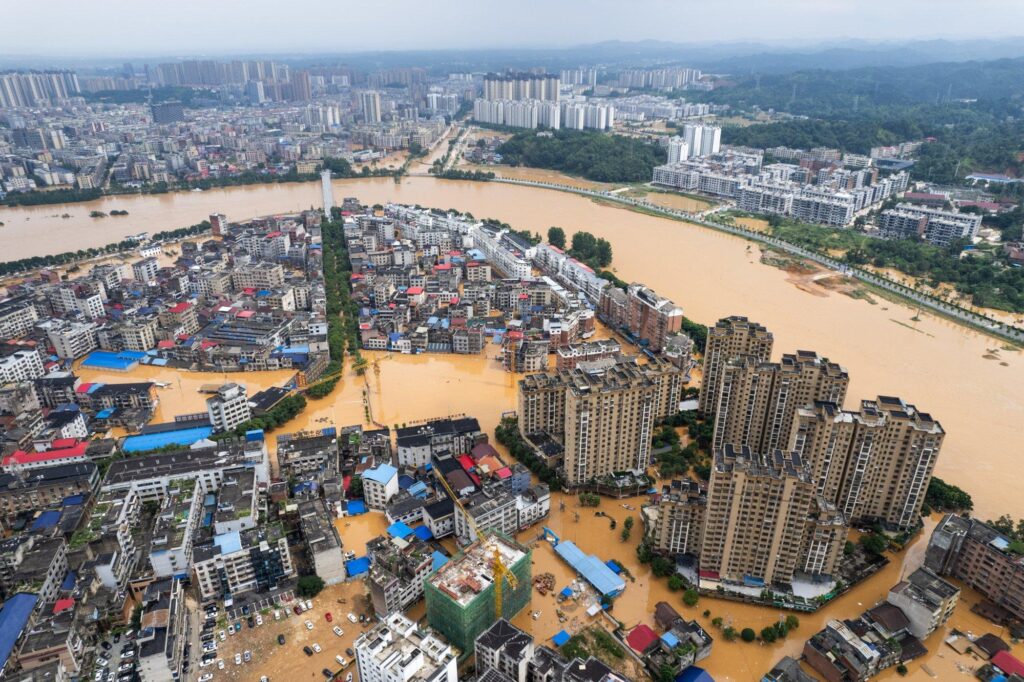
During the monsoon, roads disappear under floodwater within a few hours of heavy rain. Just a few months later, the same cities struggle with falling groundwater levels, dry borewells, and an increasing dependence on water tankers.
At first glance, this appears to be a contradiction.
In reality, both problems have the same cause.
Modern cities have become giant concrete traps that prevent rainwater from entering the ground.
Rain Is Falling—So Why Is There Still a Water Crisis?
Many people assume that a good monsoon automatically means a secure water supply.
Unfortunately, that is no longer true.
The real question is not how much rain falls, but how much rain is absorbed by the earth.
When rain lands on open soil, parks, wetlands, and natural landscapes, a significant portion slowly infiltrates underground, replenishing aquifers.
But when that same rain falls on roads, parking lots, rooftops, and paved surfaces, it has nowhere to go except storm drains.
Within minutes, millions of litres of valuable freshwater leave the city as runoff.
The Cost of Rapid Urbanisation
Over the last few decades, urban expansion has replaced natural landscapes with:
- Concrete roads
- Shopping complexes
- Parking areas
- Residential colonies
- Industrial zones
While these developments support economic growth, they also reduce the amount of land capable of absorbing rainfall.
The result is a city that floods faster during the rainy season and runs out of groundwater faster during the summer.
Floods and Water Scarcity Can Exist Together
It may seem surprising that a city can experience flooding and water shortages in the same year.
However, both are symptoms of the same broken water cycle.
When rainwater cannot enter the ground:
- Flooding increases.
- Groundwater recharge decreases.
- Borewells go deeper every year.
- Water tanker dependence rises.
- Municipal water systems come under greater pressure.
The problem is not always a lack of rainfall—it is a lack of natural infiltration.
The Disappearing Water Bodies
Urban lakes, ponds, and wetlands once acted as natural storage systems.
Today, many have been:
- Encroached upon
- Filled for construction
- Polluted by sewage
- Converted into commercial or residential land
With every disappearing water body, cities lose another opportunity to store rain naturally.
Instead of treating these ecosystems as valuable infrastructure, they are often viewed as vacant land for development.
Rethinking Urban Planning
Future cities must be designed not only for transportation and housing but also for water resilience.
Practical solutions include:
- Protecting lakes and wetlands
- Increasing permeable pavements
- Restoring urban green spaces
- Mandatory rainwater harvesting
- Limiting unnecessary concrete expansion
These measures help restore the natural water cycle instead of constantly relying on expensive engineering solutions.
A Smarter Definition of Development
For decades, development has been measured by the number of roads, buildings, and commercial projects a city creates.
The future demands a different definition.
A truly resilient city is one that can capture, store, and reuse the rain it receives.
Without restoring this balance, urban areas will continue facing the costly cycle of floods during the monsoon and water scarcity during the dry season.
HFN Observation
“A city covered in concrete may look modern, but if rainwater cannot reach the ground, that development comes at the cost of future water security.”
Sustainable cities are not built by replacing nature with concrete. They are built by designing infrastructure that works with nature instead of against it.