
Cities of Today Take the Heat? Cities May Need a New Climate Road Map.

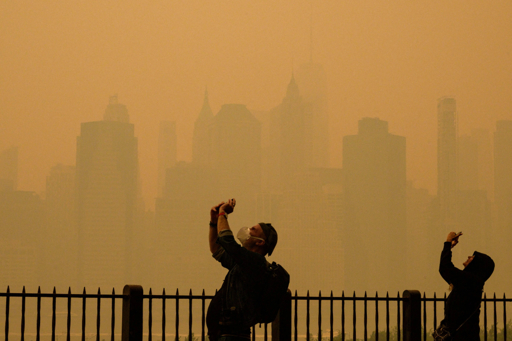
Extreme weather is no longer a once-in-a-lifetime crisis for cities-it’s becoming a recurrent feature of urban living. Deadly heat waves, flash flooding, powerful storms and wildfire smoke are prompting city officials to shift from firefighting to reimagining urban neighborhoods, infrastructure and services.
A summer of compounding risks
In the past few months we’ve seen how these different types of climate hazards can interact and compound. A hot day with the power off, a storm with pouring rains that block the drain, and smoke from a wildfire that stays indoors when you need to cool off-scientists are more and more connecting these types of extremes-and many of their effects-to human-driven climate change.
That creates a cascade: a storm knocking out power lines in a heat wave, or a plume from a distant wildfire turning a warm day into a public health crisis. Urban areas have always responded to emergencies, but experts say the scale and volume of that response are evolving into a new, more collective form of governance.
Heat: the fastest growing urban threat
Extremely hot weather is the most direct threat, as the heat is amplified by cities. Asphalt, concrete, inadequate shade, and buildings without good insulation all make up an urban heat island, endangering outdoor workers, seniors, low-income communities, and people with preexisting health conditions.
Over 50 cities have committed to UNEP’s 50@50 campaign on tackling heat. The campaign advocates for cooling centers, public water fountains, shaded streets, heat-reflective surfaces, early-warning systems, and urban greening. Twelve cities in the next year will pilot extreme-heat stress tests, with help from UNEP, C40, and Paris.
The C40 Cool Cities Accelerator is encouraging cities to prepare an agenda for heat governance, issue heat-health early warning alerts, open new cooling centres, and revise building codes to make indoor temperature safer with more insulation, cool roofs, green roofs and sustainable cooling.
Floods and storms: infrastructure under pressure
Flooding – still one of the most destructive climate-related hazards, urban or otherwise – can also be caused by short, intense rainfalls that overwhelm old drains and sewage systems. This results in flooding of streets, basements, transit, and power infrastructure. Even in relatively new cities like Winnipeg, one can be hit by all of these conditions in rapid succession.
Cities that are ready are using a mix of manmade defenses and planning & warning systems Flood barriers and walls, better drainage, risk-based land-use regulations, rain gardens, permeable pavement and green space can all reduce what’s exposed to floodwaters. Early warnings and emergency response plans can limit damage when the defenses are overwhelmed.
Wildfire smoke: the invisible emergency
Smoke from wildfires has become a growing threat for communities even in locations well beyond the fire line. Smoke can last for days and pose a tough choice: Stay indoors and breathe in the hot, unfiltered air or go outside and breathe in the forest fire smoke.
Cities should approach smoke as a public-health crisis, not just an annoying byproduct of the environment. This entails providing clean-air stations, specific support for sensitive groups, alerts, funding for filtration when feasible, and mechanisms to maintain schools, transit, and health facilities in smoke conditions.
What prepared cities do differently
In a new evaluation of 72 large cities around the world, which quantified the cities’ physical vulnerability to flooding and resilience using adaptation measures, the cities were ranked based on these two factors. Measures included early-warning systems, governance, flood barriers, drainage capacity, and response policies. Chicago ranked first; Ahmedabad ranked last.
There is a method to the best post-disaster responses. If we want to control risk, our most successful countries spread climate resilience responsibilities far and wide, not just in emergency-management offices. Planning, housing, health, transport, water and public-works departments all have responsibilities here.
The funding gap
The most overwhelming obstacle is not a lack of solutions but a lack of continued funding. With adequate financial support, cities can replace aging drainage systems, retrofit buildings, restore urban trees, put in backup power, support public health, and make communities more resilient.
In Latin America, the C40 and the Development Bank of Latin America and the Caribbean have developed a five-year investment readiness framework for cities to plan, fund and implement adaptation projects, investing in nature-based solutions and water-sensitive urban design. Other cities will need the same approach to finance adaptation wherever they are in the world, especially the most rapidly growing cities with the highest informal settlement densities.
The bottom line
Many cities are adjusting, but too many are responding to extreme weather events after they happen, instead of preparing for them before they occur. The communities most likely to weather the next heat wave, flood, storm or smoke event will be those that institutionalize climate resilience into their approaches to construction, policy-making, and safety.
References:
Bloomberg Cities at Johns Hopkins University: “The governing architecture cities need when disaster is routine”October 8, 2026
CNN: “Fires, floods and record heat: This is the summer of climate change”July 20, 2026
United Nations Environment Programme: “50 Cities for climate action: avoiding and adapting to a 50°C world”February 6, 2026
C40 Cities: “Cool Cities Accelerator”June 2, 2026
Winnipeg Free Press: “Winnipeg’s challenge: preparing for weather extremes”October 1, 2026
C40 Knowledge Hub: “Effective emergency preparedness for flooding and drought: A guide for cities”no date provided
The New York Times: “Is Your City Prepared for Climate Disaster?”September 3, 2026
Hoodline: “Chicago Named World’s Most Climate-Resilient City in New Report”September 3, 2026
C40 Cities: “Latin America accelerates urban climate action through city-led adaptation and biodiversity projects”January 28, 2026