
India’s Railway Noise Problem — The environmental impact nobody talks about.

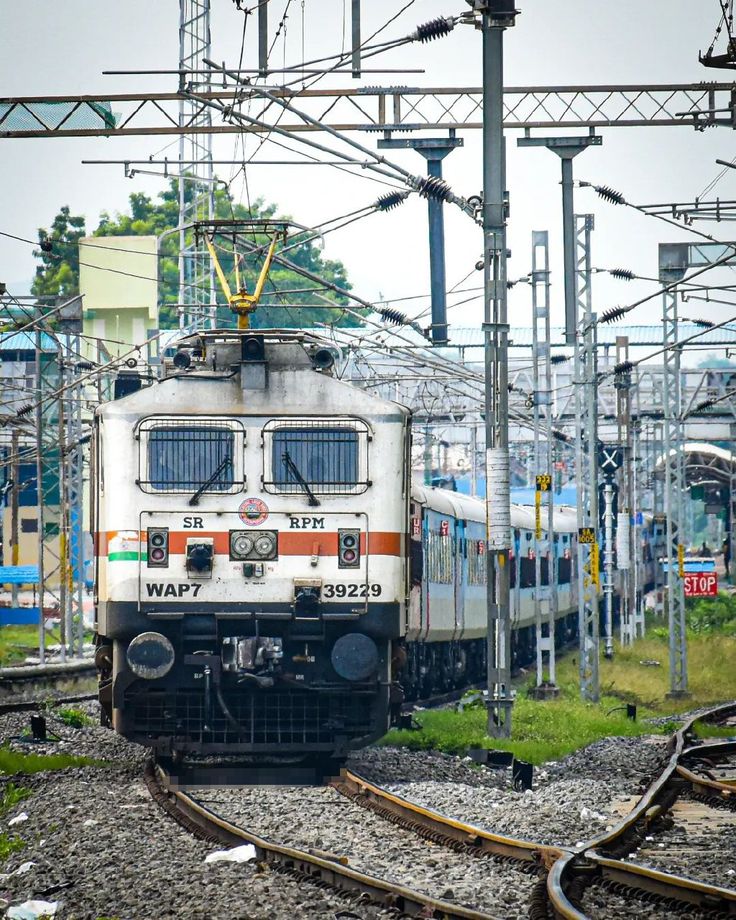
India’s Railway Noise Problem India’s trains serve millions, but for those living along the tracks, a ubiquitous environmental threat remains under acknowledged: never-ending noise and vibration. Every day passenger and cargo trains roll through urban, suburban and rural areas. Horns, engines, brake squeal, wheel-rail contact and shunting can all harm resident’s peace – often into the small hours.
One recent Delhi survey found levels above Indian recommended limits in several stations and surrounding neighbourhoods, leading to concerns about sleep and stress-related problems.
Yet, India doesn’t have long-term railway noise research on the health and wellbeing impacts of sound and vibration. Indian guidelines recommend noise limits for homes of 55 decibels (dB) in the day and 45dB at night. But railway noise is perceived as short-lasting but high-energy peaks, not a constant whine. A passing train can waken residents, puncture conversation and interrupt study.
Beyond health Pollution is also caused by ground vibrations, particularly where settlements are near narrow railway lines or old rail beds.
Heavy freight trains and neglected rails and brakes can exacerbate both vibration and noise. Even in natural environments, noise and vibrations from trains crosscut wildlife migrations. Roads and rail lines intersect forests across the country, causing disturbance from sound, vibration and shine.
Collisions with elephants are a notorious issue, and a number of environmentally sensitive stretches of track have been identified for interventions such as fencing, warning systems and animal corridors. Construction of the Chennai Metro has also created conditions for elevated or marginally exceeded noise in densely populated localities, where residents report physical harm from the sensation of sound.
What is to be done?
Electric trains cut down on tailpipe pollution but can’t silence horn honking, screeching rails, braking or wheel contact noise.
Improvements in:
– rail and wheel design and surfaces
– braking technology
– acoustically shielded walls
– improved living and learning spaces
– noise emissions limits for trucks and locomotives
– nocturnal noise and vibration monitoring
– wildlife detection sensors near forest corridors are a necessary part of the solution.
Between growth and sustainability, India does not need to choose rail connectivity over a good night’s sleep. It’s time to take the issue of railway noise seriously.
References
Mongabay India: “India has a railway noise problem but its health impacts are poorly understood” 29 July 2026.
Scientific Reports: “Environmental impacts of metro rail construction in Chennai on air quality, noise pollution and urban sustainability” 25 March 2026.
Ministry of Environment, Forest and Climate Change: “MoEFCC Organizes 2-day Workshop to Address Challenge of Elephant–Train Collisions” 20 November 2025.
Press Information Bureau: “Death of Elephants due to Train Collision” 20 November 2025.
Press Information Bureau: “Indian Railways’ AI-enabled Intrusion Detection System” 20 November 2025.
Central Pollution Control Board: “Noise Pollution Rules and Environmental Noise Standards” 17 October 2025.
Maharashtra Metropolitan Region Development Authority: “Final Report of Assessment of Noise and Vibration Analysis and Mitigation for Mumbai Metro Line 5” 1 December 2025.