
Beyond Planting: Why the Future of Environmental Conservation Depends on Transparency

Environmental conservation has entered a new era.
For decades, the success of environmental projects was measured through estimates, promises, and annual reports. A plantation drive claimed thousands of trees, a cleanup campaign reported tonnes of waste collected, and a restoration project announced ambitious environmental goals.
But one fundamental question often remained unanswered:
Can the public verify these claims?
In an age where technology can track parcels, food deliveries, and financial transactions in real time, environmental conservation can no longer depend solely on trust. It must be supported by transparency, measurable data, and public accountability.
The Accountability Gap
Every year, governments, corporations, and nonprofit organizations invest millions in environmental initiatives.
However, many projects still struggle to answer basic questions:
- Where were the trees planted?
- How many are still alive?
- What was the survival rate after one year?
- How has the ecosystem changed over time?
- How was every donation utilized?
Without accessible data, measuring long-term environmental impact becomes difficult.
Good intentions alone cannot replace measurable outcomes.
From Estimates to Evidence
Traditionally, environmental reporting relied on periodic surveys and manual inspections.
While these methods remain valuable, they often provide only snapshots rather than continuous monitoring.
Modern technology now allows organizations to collect far more accurate information through:
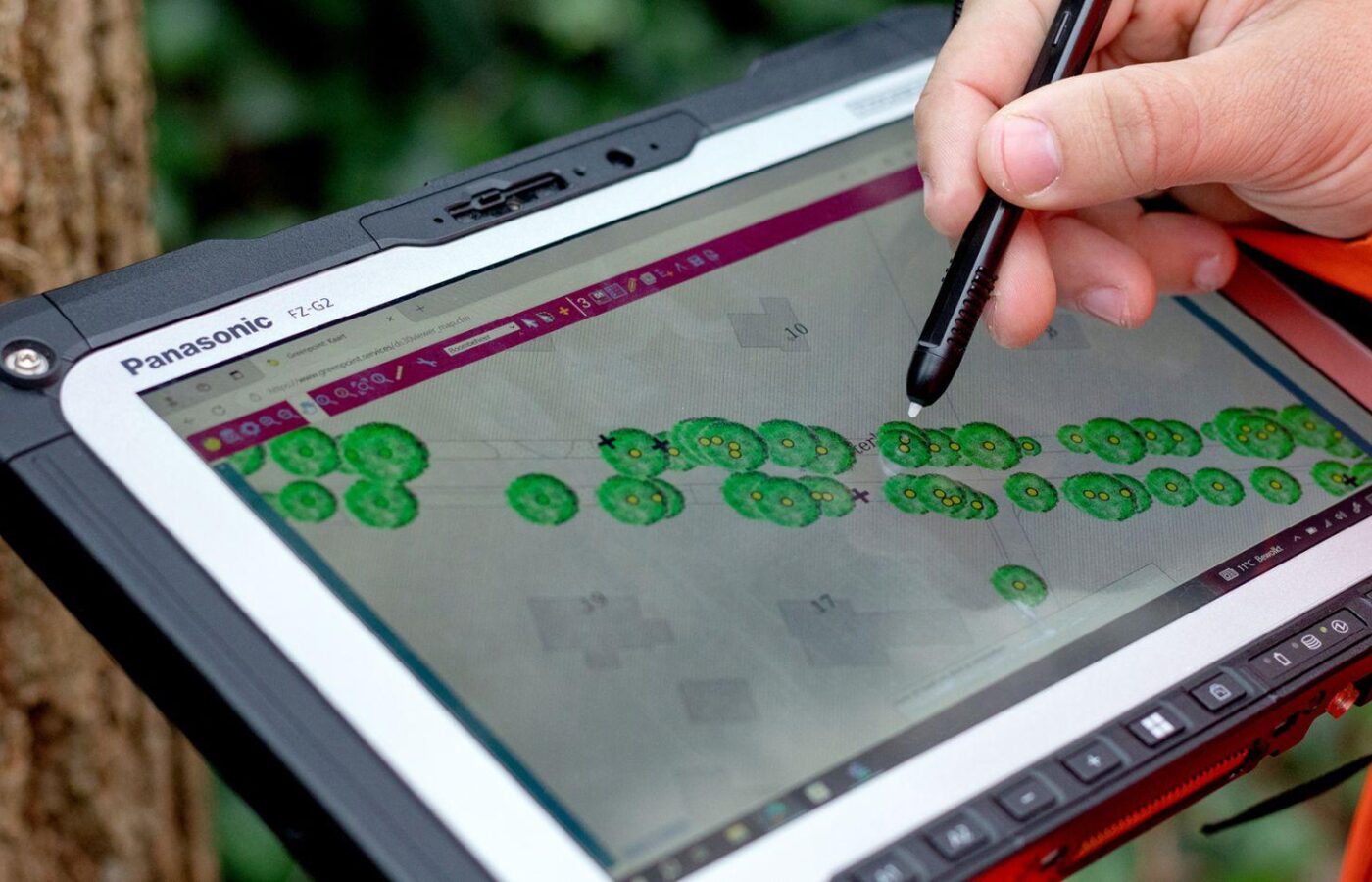
- GPS and geo-tagging
- Drone-based aerial surveys
- Satellite imagery
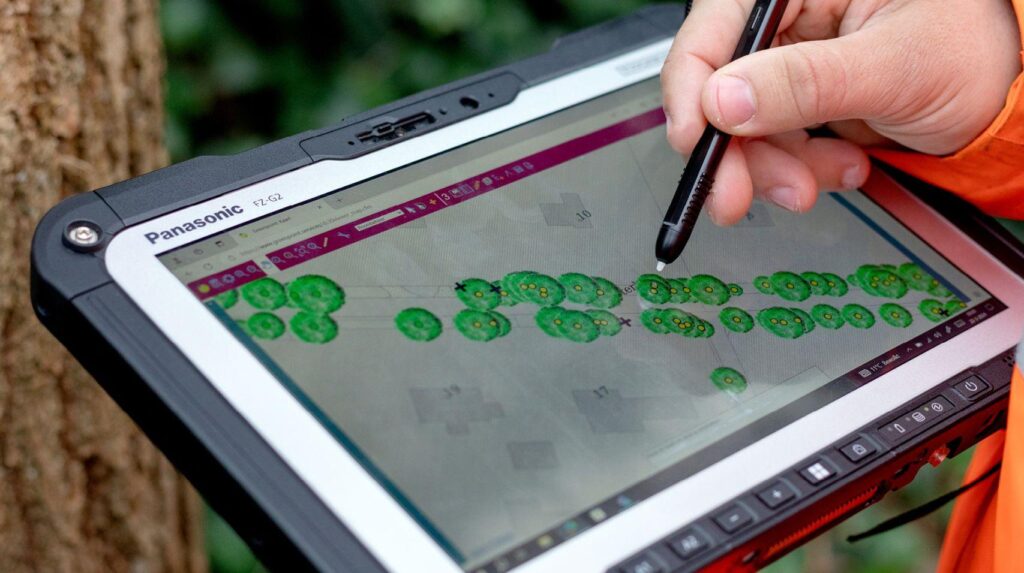
- Digital environmental mapping
- Cloud-based reporting systems
- Public impact dashboards
These tools transform conservation from a one-time activity into a continuously measurable process.
Why Transparency Builds Public Trust
Donors today expect more than appreciation certificates.
They want to understand the real impact of their contribution.
Transparent environmental projects help answer important questions:
- Where has the funding been invested?
- What environmental outcomes have been achieved?
- Are the results independently verifiable?
- Is the project creating measurable long-term change?
When information is openly available, public confidence naturally increases.
Transparency strengthens both credibility and long-term participation.
Technology Is a Tool, Not the Goal
Technology alone cannot restore ecosystems.
A drone cannot replace field workers.
GPS cannot water a sapling.
Artificial intelligence cannot improve soil without on-ground action.
Technology becomes valuable only when it supports scientific planning, efficient monitoring, and responsible decision-making.
The real objective remains environmental restoration—technology simply helps measure progress more accurately.
The Future of Conservation
As climate challenges become increasingly complex, conservation efforts must evolve.
Future environmental projects will likely combine:
- Scientific research
- Community participation
- Digital monitoring
- Open reporting
- Long-term ecological assessment
Success will no longer be judged only by activities completed, but by measurable environmental outcomes sustained over many years.
The organizations that embrace transparency today will help define the future standards of environmental conservation.
HFN Observation
“The future of conservation will not belong to the organizations that make the biggest claims. It will belong to those that can prove the greatest impact.”
Trust is earned through evidence. In environmental restoration, transparency is no longer an option—it is becoming the foundation of meaningful and lasting change.