
The Invisible Water Crisis: Why Groundwater is Disappearing Faster Than We Think

Water flows through our taps every morning, giving the impression that our cities have an endless supply of freshwater. Yet beneath our feet, one of Earth’s most valuable natural resources is disappearing at an alarming rate.
Groundwater—stored silently beneath layers of soil and rock—provides drinking water to billions of people worldwide. It supports agriculture, industries, and entire urban populations. Despite its importance, groundwater receives far less public attention than rivers, lakes, or dams because the crisis remains largely invisible.
By the time a city realizes its groundwater reserves are declining, recovery often becomes a slow and expensive process.
The Hidden Source of Freshwater
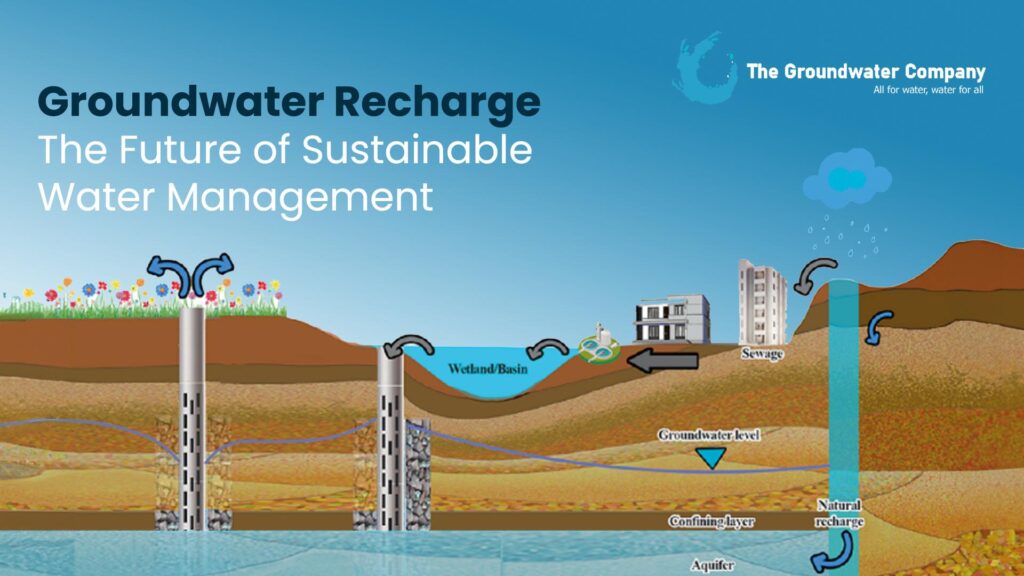
Unlike rivers or reservoirs, groundwater is stored in underground aquifers.
Rainwater slowly seeps through layers of soil and porous rock, eventually collecting beneath the Earth’s surface. These aquifers act as natural reservoirs that can supply water throughout the year—even during dry seasons.
For decades, groundwater has served as a dependable backup whenever surface water becomes scarce.
However, nature replenishes these reserves slowly, while human consumption has accelerated rapidly.
Why Groundwater Levels Are Falling
The growing water crisis is driven by several interconnected factors.
Rapid urbanization has covered natural land with roads, buildings, and concrete surfaces, preventing rainwater from soaking into the ground.
Agriculture continues to extract enormous quantities of groundwater for irrigation, often faster than aquifers can naturally recharge.
Population growth, expanding industries, and increasing domestic demand place additional pressure on already stressed water reserves.
Climate change further complicates the situation by making rainfall patterns more unpredictable.
Together, these factors are creating a widening gap between groundwater extraction and natural recharge.
The Consequences We Often Ignore
Declining groundwater affects much more than drinking water.
As water tables fall:
- Borewells must be drilled deeper every year.
- Farmers face higher irrigation costs.
- Cities become increasingly dependent on expensive tanker supplies.
- Wetlands and natural springs begin to disappear.
- Land subsidence may occur as underground aquifers collapse.
These impacts are already being observed in many rapidly growing urban regions around the world.
Why More Rain Is Not Enough
A common misconception is that heavy rainfall automatically solves water shortages.
In reality, much of today’s rainwater flows directly into drains and rivers because modern cities have replaced natural landscapes with concrete infrastructure.
Without sufficient infiltration, even an above-average monsoon may contribute very little to groundwater recharge.
Water security therefore depends not only on rainfall, but also on how effectively cities allow rainwater to return underground.
Rethinking Water Management
Protecting groundwater requires long-term planning rather than emergency responses.
Cities can strengthen water resilience by:
- Expanding rainwater harvesting systems
- Protecting lakes, wetlands, and recharge zones
- Limiting unnecessary concretization
- Promoting efficient irrigation practices
- Monitoring groundwater extraction more effectively
- Encouraging sustainable urban planning
These measures help restore the natural water cycle while reducing dependence on overexploited aquifers.
Looking Beneath the Surface
The world’s water crisis is often discussed in terms of rivers, reservoirs, and droughts.
Yet one of the most important battles is taking place underground, where declining aquifers silently threaten future water security.
Groundwater cannot be replaced overnight.
It must be protected through careful planning, responsible consumption, and long-term environmental stewardship.
HFN Observation
“The most dangerous environmental crises are often the ones we cannot see. Groundwater remains invisible until the day it is no longer available.”
Securing the future of freshwater requires more than conserving what flows above the ground. It demands protecting the vast reserves that sustain life beneath it.