
Why India imports can despite being a major producer?

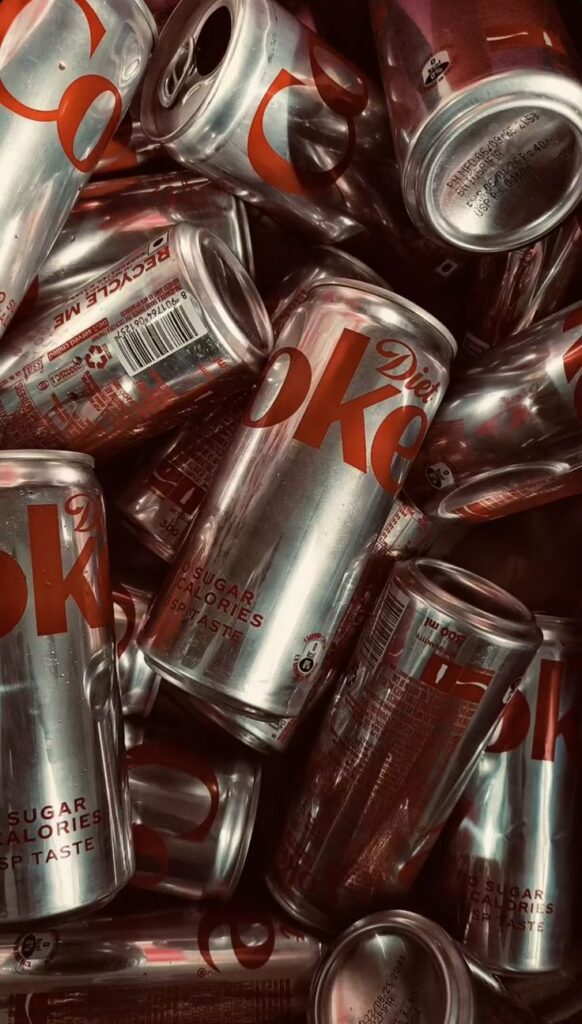
Despite the fact that India is the second major producer in the world of aluminium and has huge reserves of bauxite, the country still needs to import cans for drinks. The reason for this is found in the difference between domestic production capabilities and demand. The use of aluminium cans for construction of beverage packages has grown significantly in the last decade. However, it was not possible to satisfy the demand due to different aspects of domestic production that do not allow high-value cans at a lower price than imported ones.
India has made huge progress in the primary stages of aluminum production (having become the leader in the production of bauxite, smelting of aluminium metal) but has fallen behind in production of packaged goods.
Reasons for the high volume of imports of aluminum beverage cans
1) Weak downstream capacity in producing can-grade aluminum
Cans made out of aluminum are made using very thin and specialized sheets known as “can stock,” which require high quality and precise dimensions.
The domestic industry has not been able to keep up with the growing demand for this type of aluminum; only a few players, like Hindalco Group, have their own can-sheet manufacturing plants, and even they have struggled with capacity during peak times. Although the industry has recently witnessed some expansions, such as new production lines at Hindalco’s Aditya plant in Odisha and Ball Corporation’s aluminum can plant in Andhra Pradesh, it will take time for these initiatives to fill the supply gap.
2) The duty structure results in an unfair advantage for imports
The Indian government imposes import taxes (in the range of 7.5% in recent years) on primary aluminum and related products to protect domestic smelters.
Meanwhile, many aluminum products, including finished cans, are imported duty-free from countries with whom India has free trade agreements.
As a result, importing finished cans becomes more cost-effective than making them from local material, thereby discouraging investments in the industry.
3) The rise in demand and supply disruptions hindered production
• Rapid increase in consumption led to a zoom in demand for canned drinks.
• Supply disruptions in Western Asia and other requirements related to certifications and logistics (e.g. delays in obtaining BIS import certifications and tension in the region affecting shipments from the Gulf) inhibited global availability of canned drinks at the same time when demand in India was at its peak.
• The 2026 shortage of Diet Coke illustrated the issue well; the shelves were empty not because India did not have enough aluminium but because it did not produce enough domestic can sheet and utilize enough facilities to meet the increase in demand, and due to restrictions connected to importing capacity.
4) The logic of modern value chains: external specialization
• Countries like UAE, Saudi Arabia, South Korea, and Sri Lanka import aluminium from India, increase its worth by rolling it into can sheet and producing cans, and sell these products back to India.
• In some estima-tions, bauxite might cost $40 per ton but the current value of a finished can is much higher. India is in charge of the commodity but other countries obtain much more effective value at the very end of the chain.
Why a big aluminium producer is not enough?
• Different products, different technologies. The production of the primary aluminium and ultra-thin food-grade can sheet are different types of capabilities and require specialized rolling mills where the required control is required, often foreign technologies or licenses are needed.
• Misalignment of policies. Protecting the producers of the previous stage (for instance, by introducing protective duties) requires protecting also the producer of the next stages.
Conclusion:
As mentioned, the root of India’s need for imported beverage cans is not a raw material shortage, but rather issues within its production chain and local government policies. The country has the resources to produce enough aluminium, but it lacks any capability to do said production in an effective manner.
India has a strong presence in the aluminum value chain’s upstream sectors because it has abundant reserves of bauxite and is a leading producer of aluminum. However, the downstream sector of the aluminum business, where the metal turns into specialized sheets and cans, leaves a lot to be desired.
Resources:Ministry of Mines, Government of India aluminium production and bauxite reserves; Business Standard – causes of the Diet Coke and aluminium-can shortage; Reuters via Moneycontrol – imports from West Asia and supply-chain disruptions; CANPACK — India’s domestic beverage-can manufacturing and planned expansion; Bureau of Indian Standards – quality-control requirements for aluminium beverage cans.