The Pollinator Collapse: If the World’s Smallest Workers Disappear, Human Civilization Could Face a Food Crisis

When environmental conservation is discussed, attention usually focuses on forests, rivers, wildlife, or climate change.
Very few people think about bees.
Or butterflies.
Or moths.
Or the thousands of tiny insects quietly moving between flowers every day.
Yet these small creatures perform one of the most valuable jobs on Earth.
They pollinate plants.
Without pollination, flowers cannot produce fruits or seeds. Crops fail, biodiversity declines, and entire ecosystems begin to lose their ability to regenerate.
Scientists increasingly describe pollinators as the invisible workforce supporting both natural ecosystems and global food production.
Their disappearance is not simply a biodiversity issue.
It is a growing threat to food security itself.
The World’s Smallest Workforce
Pollination is one of nature’s oldest ecological partnerships.
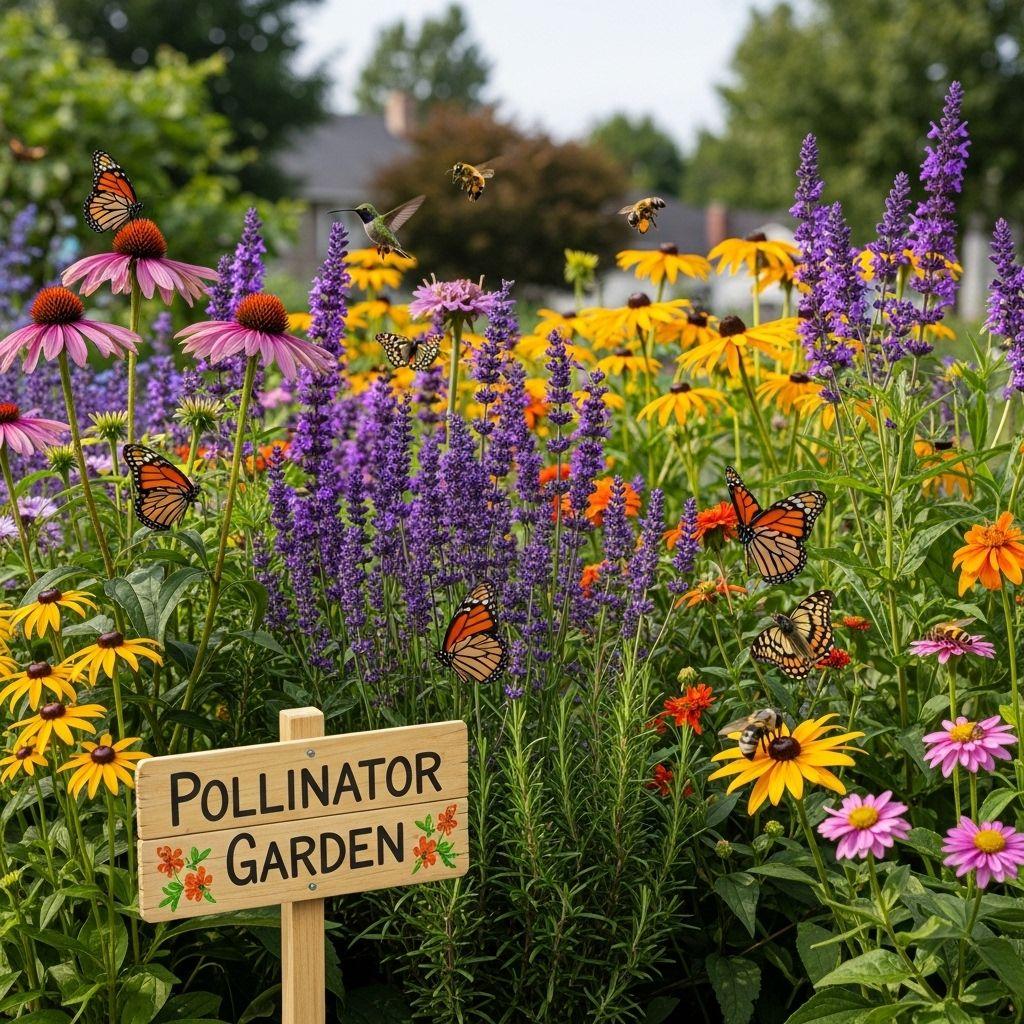
As insects search for nectar, pollen sticks to their bodies and is carried from one flower to another.
This seemingly simple process allows plants to reproduce.
Thousands of species participate in this natural system, including:
- Bees
- Butterflies
- Hoverflies
- Beetles
- Wasps
- Moths
- Certain birds and bats
Together, these pollinators sustain countless wild plants and a significant share of agricultural crops consumed by humans.
Every fruit orchard, vegetable farm, and flowering forest depends—directly or indirectly—on this invisible ecological workforce.
A Silent Decline
Around the world, scientists are documenting declining pollinator populations.
Unlike dramatic events such as floods or wildfires, pollinator decline happens gradually.
One season brings slightly fewer butterflies.
Another year sees fewer bees visiting flowers.
Over time, ecosystems begin producing fewer seeds, fewer fruits, and less genetic diversity.
The crisis unfolds quietly, making it one of the least visible environmental emergencies of our time.
Why Pollinators Are Disappearing
There is no single cause.
Instead, multiple pressures are acting simultaneously.
Natural habitats are replaced by expanding cities and intensive agriculture.
Flower-rich landscapes disappear.
Excessive pesticide use reduces insect survival.
Climate change alters flowering seasons, creating mismatches between plants and pollinators.
Air pollution interferes with the scent trails insects use to locate flowers.
Artificial night lighting disrupts the behaviour of many nocturnal pollinators such as moths.
Each pressure may appear manageable in isolation.
Together, they create an ecological system that becomes increasingly difficult for pollinators to survive.
Why This Matters to Humanity
Pollinators are often described as wildlife.
In reality, they are also part of our food system.
Many crops—including fruits, vegetables, nuts, oilseeds, and spices—depend on animal pollination to achieve healthy yields and quality production.
When pollinator diversity declines, agricultural systems become less resilient.
The effects extend beyond farms.
Reduced pollination influences biodiversity, rural livelihoods, nutritional diversity, and long-term food security.
Protecting pollinators is therefore not simply about saving insects.
It is about safeguarding the ecological processes that sustain human civilization.
Designing Landscapes for Life
Conservation efforts have traditionally focused on protecting forests and wildlife reserves.
However, pollinators require connected landscapes that provide food, shelter, and breeding habitats throughout the year.
Even small ecological improvements can make a difference:
- Restoring native flowering vegetation.
- Reducing unnecessary pesticide use.
- Protecting hedgerows and grasslands.
- Conserving wetlands.
- Expanding urban biodiversity gardens.
- Creating pollinator corridors linking fragmented habitats.
Healthy landscapes support not only pollinators, but entire ecosystems.
HFN Solution Framework
At Heavendoo Foundation, we believe pollinator conservation should become a measurable component of ecological restoration.
Protecting biodiversity means protecting the ecological interactions that keep ecosystems functioning.
Short-Term
- Conduct pollinator diversity surveys in restoration sites.
- Promote native flowering species in community plantations.
- Launch public awareness campaigns on the role of pollinators.
Medium-Term
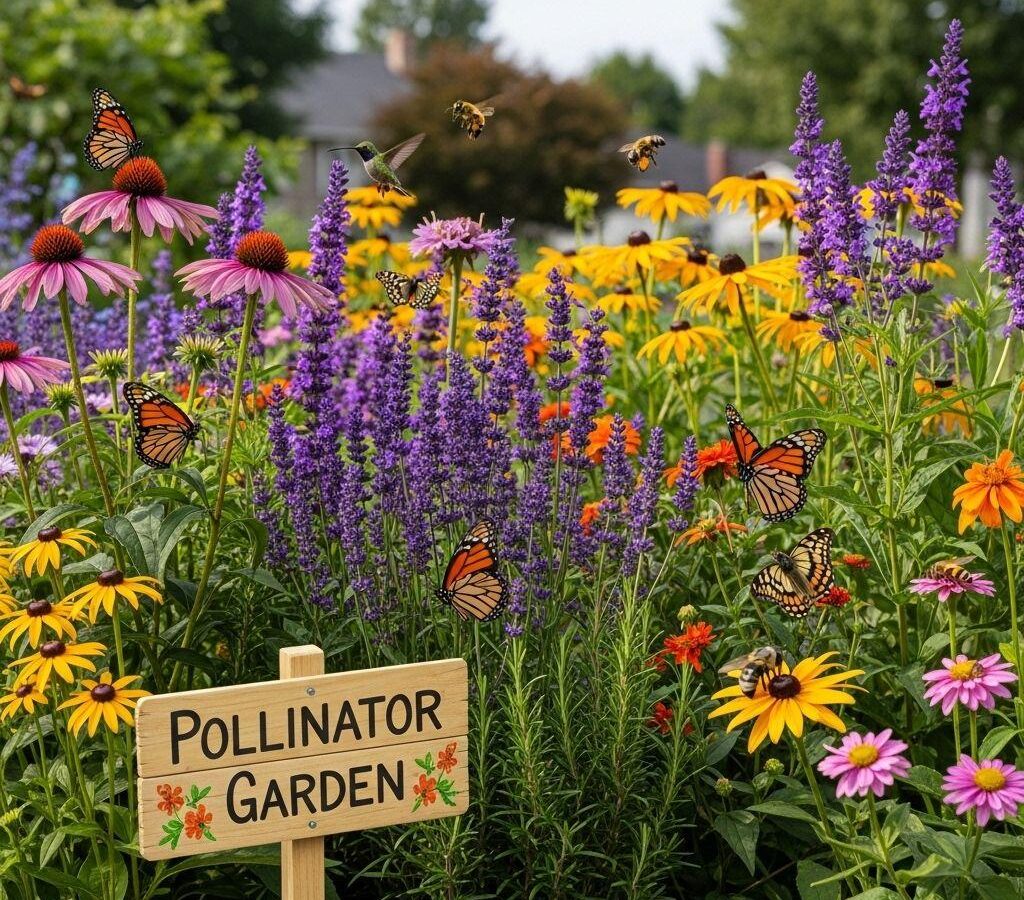
- Establish HFN Pollinator Gardens in schools, institutions, and public parks.
- Develop seasonal flowering calendars for restoration projects.
- Partner with researchers to monitor pollinator abundance using citizen science.
Long-Term
- Create India’s first HFN Pollinator Health Index for restored ecosystems.
- Integrate AI image recognition for automated pollinator monitoring.
- Publish annual biodiversity reports measuring ecosystem recovery through pollinator populations.
- Support policy recommendations that recognize pollinator conservation as a pillar of national food security.
HFN Vision 2040
Heavendoo envisions landscapes where ecological restoration is measured not only by the number of trees planted, but by the return of life.
The reappearance of bees, butterflies, birds, and other pollinators should become one of the strongest indicators that an ecosystem is truly recovering.
A restored forest without pollinators is incomplete.
A healthy ecosystem is one where every ecological relationship begins functioning again.
HFN Observation
“When humanity loses its pollinators, it does not simply lose insects. It begins to lose the biological partnerships that have sustained life on Earth for millions of years.”
Protecting pollinators is not an act of compassion toward wildlife. It is an investment in biodiversity, food security, ecological resilience, and the future stability of human civilization.
HFN Research Questions
- Should every ecological restoration project monitor pollinator diversity alongside tree survival?
- Can pollinator abundance become a national indicator of ecosystem health?
- How can AI, citizen science, and biodiversity mapping improve pollinator conservation across India?