
Addressing groundwater depletion: Lessons from India, the world’s largest user of groundwater

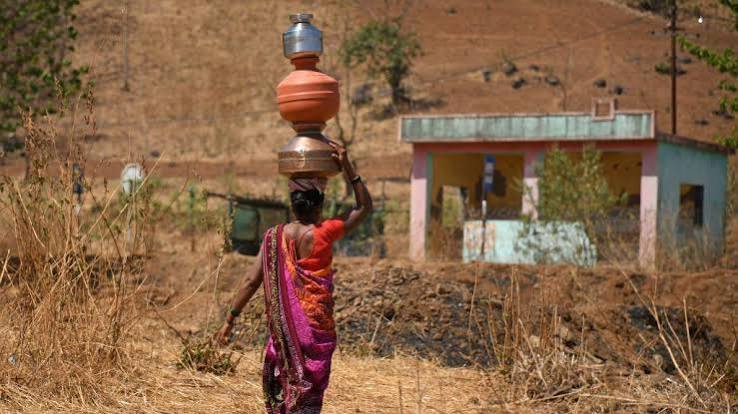
India’s Invisible Crisis: How Groundwater Depletion Threatens Millions
Home to 16% of the world’s population but just 4% of its freshwater reserves, India faces a severe hydrological reckoning. Decades of relentless groundwater extraction have turned a pillar of national food security into an urgent environmental and economic threat.
The Legacy of the Borewell Boom
Starting with the 1960s Green Revolution, policy support for food self-sufficiency—fueled by rapid rural electrification and affordable pump technology—sparked an unprecedented subterranean drilling boom. Over the past 50 years, India’s borewells expanded from 1 million to more than 20 million, making the nation the world’s largest consumer of groundwater. Today, the Central Groundwater Board reports that 17% of groundwater blocks are overexploited—extracting water faster than aquifers can naturally recharge—with the crisis most acute across northwestern, western, and southern peninsular regions.
Why Supply Measures Fall Short
Recent World Bank evaluations reveal that supply-side interventions like watershed management and check-dams cannot reverse depletion on their own. Without parallel demand-side reforms—such as adopting drip irrigation and shifting away from water-intensive crops—any localized water gains are quickly erased. Compounding this, regulatory oversight remains weak: only 14% of overexploited blocks are legally “notified” to restrict new well construction.
Energy Subsidies and Institutional Gaps
Free or heavily subsidized electricity for agricultural pumping creates perverse incentives, encouraging farmers to drain scarce reserves. While community-led Participatory Groundwater Management (PGM) initiatives have shown promise, local committees frequently become inactive once project funding ends. Furthermore, these informal models struggle to manage vast alluvial aquifers or withstand prolonged droughts.
Short-Term Relief, Long-Term Risk
Expanded groundwater access has undeniably stabilized rural incomes and buffered households against crop failures in the short term. However, without comprehensive policy reforms targeting the interconnected water, energy, and agriculture sectors, rapidly falling water tables will ultimately compromise food security, trigger climate-driven migration, and jeopardize sustainable development.