
Parliament Stalemate by Politics

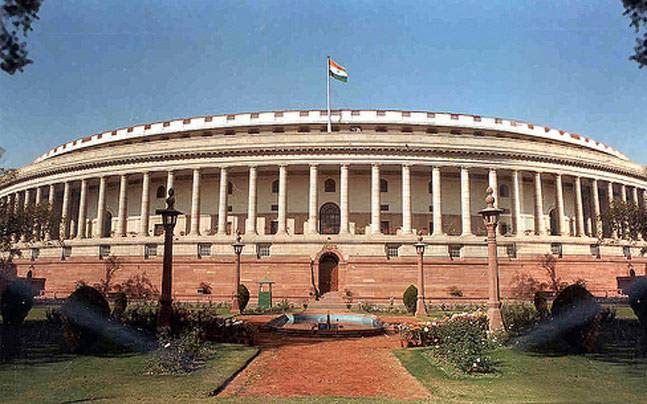
India’s Parliament finds itself in a situation devoid of action once again, with the Opposition refusing to cooperate with the government unless its main demands have been fulfilled. According to reports, the stalemate has made it impossible for either house of Parliament to function as usual.
The Opposition defends its position as one of accountability. It claims that it seeks to call the government to account for issues of public importance, such as alleged police violence against students and suspicions of donations to the Ram temple. Congress has called some of its demands as “non-negotiable”.
The government has failed to end the deadlock, even though it has made an offer to discuss certain issues with the Opposition. However, it has not agreed to the demands for resignations of a minister or even to all debates posed by the Opposition.
Debate versus Disruption
The Opposition must fulfill its duty of interrogating the government, asking for clarification and bringing the concerns of the people to Parliament. Taking action is fair in democracy because when the representatives of the people have strong accusations, it is their duty to raise them.
However, hindering the work of both houses weakens the very institution whose strength the Opposition aims to rely on. According to reports, during the current disruption, Question hour has not performed as it should. Some Bills have even been passed without sufficient debate.
This creates an interesting contradiction whereby the Opposition asks for discussions, while its very method of sporadic interruptions makes it impossible.Simultaneously, the government should not consider every protest as an attempt to prevent governance; if constructive discussions are avoided, this will only further the mistrust in society, making a conflict unavoidable.
Cost to Democracy
Democracy in a parliamentary system is based on differences of opinions, and on negotiations, as well. If the government refuses to discuss important matters and the opposition does not allow Parliament to do its work, it results in all the people around Parliament being stuck in their positions.
The negative consequences of this situation affect not only political parties. Legislative work becomes impossible; citizens do not have an opportunity to conduct clear discussions on pressing issues; everything is transformed into a slogan and protest actions. Without deliberation, Parliament loses its ability to represent people properly.
At this moment, it is not necessary for one group to emerge as a winner; it is essential for both sides to start negotiations. The government must provide them with an opportunity to discuss important topics raised by the opposition, while the opposition must allow Parliament to work.
Reference: Mirror Now – “Government seeks cooperation from opposition to resolve ongoing parliamentary deadlock”, Mathrubhumi – “Parliament deadlock continues as Rahul Gandhi sets conditions after Kiren Rijiju meeting”, The Tribune – “Parliament Monsoon Session disrupted by Opposition protests: Lok Sabha adjourned four times”, The Guardian – “Opposition parties shut down Indian parliament in solidarity with ‘cockroach’ protests.”