
The Economy Nature Built for Free: Why Ecosystem Services May Be the World’s Most Valuable Invisible Asset

Every year, governments allocate enormous budgets for infrastructure. Roads are built to improve transportation, reservoirs store drinking water, treatment plants purify wastewater, flood barriers protect cities, and air filtration systems attempt to reduce pollution.
These projects are expensive because every service requires engineering, energy, maintenance, and continuous investment.
Yet humanity often overlooks a remarkable fact.
For millions of years, nature has quietly provided many of these same services—without invoices, electricity, or maintenance contracts.
Forests regulate local climates.
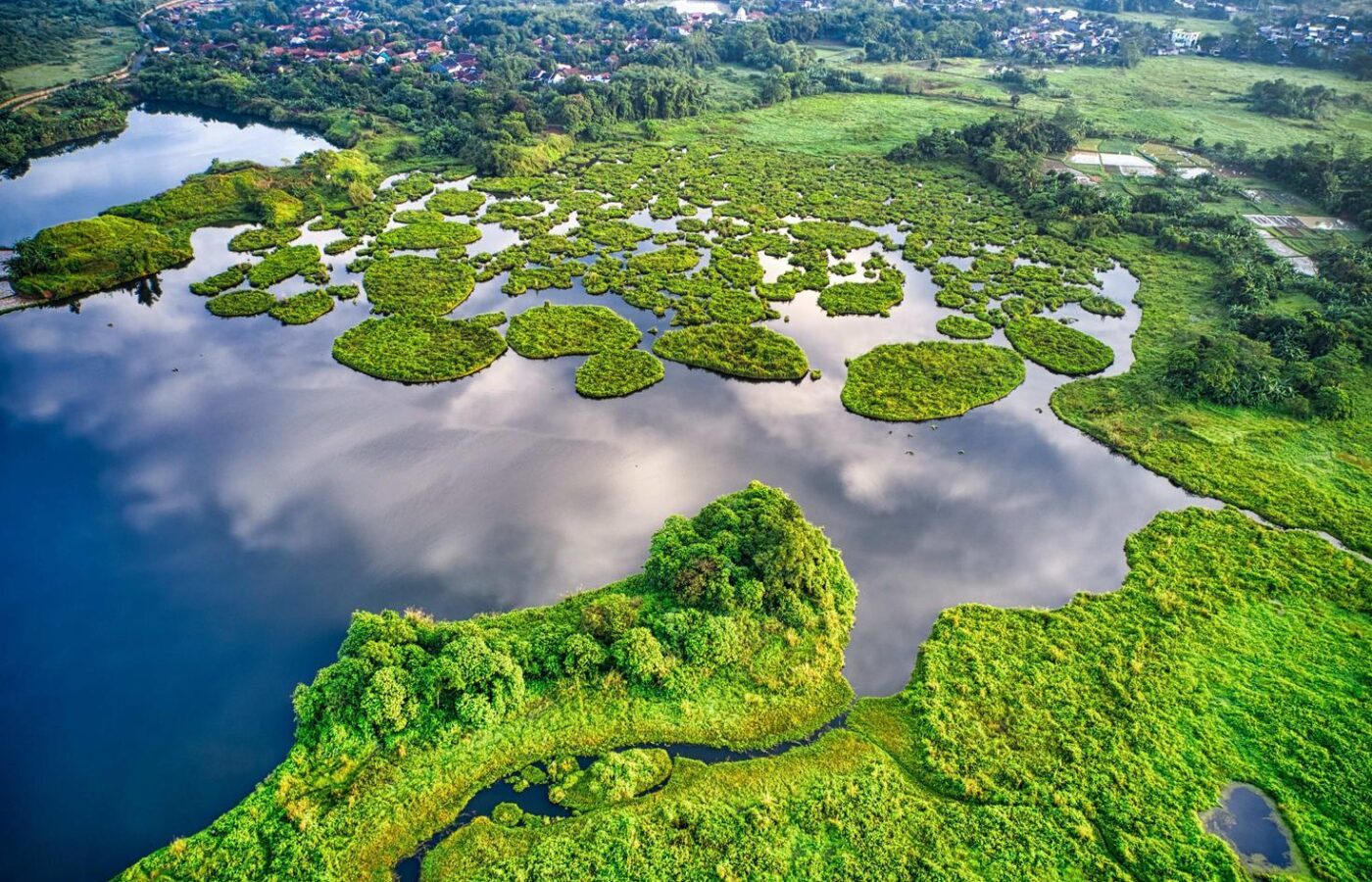
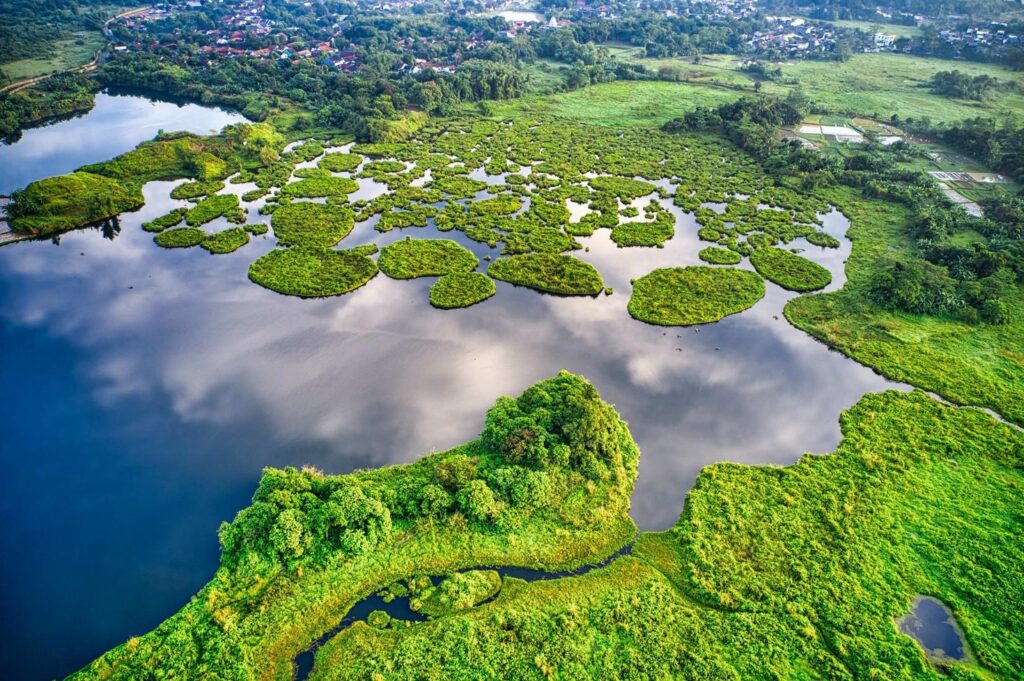
Wetlands filter polluted water.
Healthy soils recycle nutrients.
Mangroves protect coastlines from storms.
Pollinating insects sustain global food production.
These natural functions are collectively known as ecosystem services, and they form one of the most valuable yet least appreciated economies on Earth.
The Invisible Economy We Never Measure
Modern economies calculate the value of factories, industries, transportation, and digital services.
However, the natural systems that make economic activity possible are rarely included in financial accounting.
A forest is often valued only for the timber it contains.
A wetland is viewed as vacant land waiting for development.
A river is judged by the water it supplies.
In reality, these ecosystems generate continuous environmental services that support agriculture, public health, water security, disaster resilience, biodiversity, and climate regulation.
Ignoring these services creates a dangerous illusion that nature has little economic value.
Every Ecosystem Performs a Job
Nature operates like a network of specialized professionals.
Forests capture carbon, stabilize soil, regulate rainfall, and provide habitat for wildlife.
Wetlands slow floodwaters, recharge groundwater, and naturally remove pollutants from water.
Healthy soils store carbon, support microorganisms, retain moisture, and produce nearly all terrestrial food.
Pollinators enable the reproduction of thousands of flowering plants and many of the crops that sustain human diets.
Even microorganisms, invisible to the human eye, drive nutrient cycles that maintain ecosystem productivity.
None of these services require human intervention.
They are performed continuously, every hour of every day.
The Cost of Replacing Nature
When ecosystems are degraded, society attempts to replace their functions with technology.
If forests disappear, cities invest more in cooling infrastructure.
If wetlands vanish, flood-control systems become larger and more expensive.
If soils degrade, agriculture becomes increasingly dependent on fertilizers and irrigation.
If pollinator populations decline, crop yields become more uncertain.
Technology can compensate for some ecological losses, but it rarely matches the efficiency, resilience, and affordability of healthy ecosystems.
In many cases, restoring nature is significantly less expensive than replacing it.
Why Environmental Accounting Must Change
Traditional economic systems reward extraction.
Future economies must reward restoration.
Natural capital should be measured alongside financial capital.
Governments, businesses, and institutions should begin evaluating ecosystems not only by what can be extracted from them, but by the continuous services they provide.
Such an approach would encourage investments in restoration rather than degradation.
Protecting ecosystems would become an economic strategy rather than simply an environmental responsibility.
HFN Solution Framework
Heavendoo believes environmental conservation should evolve from awareness to measurable ecological investment.
Future initiatives could include:
Short-Term
- Develop a local ecosystem services awareness programme.
- Document how forests, lakes, wetlands, and soils benefit nearby communities.
- Train volunteers to identify ecosystem services in urban and rural landscapes.
Medium-Term
- Create HFN Ecosystem Service Maps using GIS and field surveys.
- Publish annual reports estimating the environmental value of restored ecosystems.
- Build partnerships with educational institutions for ecological valuation studies.
Long-Term
- Launch the HFN Natural Capital Index to measure ecosystem health across communities.
- Develop AI-powered ecosystem valuation models combining satellite imagery, biodiversity indicators, and field data.
- Support policy recommendations that recognize ecosystem services in urban planning and development decisions.
HFN Vision 2040
Heavendoo envisions a future where every restored forest, wetland, river, and urban green space is measured not only by its size, but by the environmental services it provides.
Conservation should no longer be viewed as a charitable activity.
It should be recognized as an investment in national resilience, economic stability, and human well-being.
HFN Observation
“Humanity has mastered the art of building economies. The next century will depend on whether we can rebuild the natural economy that has always sustained them.”
The future of sustainable development will not be determined solely by GDP growth or technological innovation. It will also depend on how effectively societies recognize, protect, and restore the invisible environmental services that make life itself possible.
HFN Research Questions
- Should ecosystem services become part of India’s national accounting framework?
- Can every city calculate the annual economic value of its forests, wetlands, and urban biodiversity?
- How can AI, satellite monitoring, and ecological science help quantify nature’s contribution to society?