
The Silent Extinction: Why Biodiversity Loss is a Bigger Threat Than Climate Change

When people think about environmental challenges, climate change is usually the first issue that comes to mind. Rising temperatures, melting glaciers, floods, and heatwaves dominate headlines across the world.
But another environmental emergency is unfolding quietly—one that receives far less attention despite having the potential to permanently reshape life on Earth.
It is called biodiversity loss.
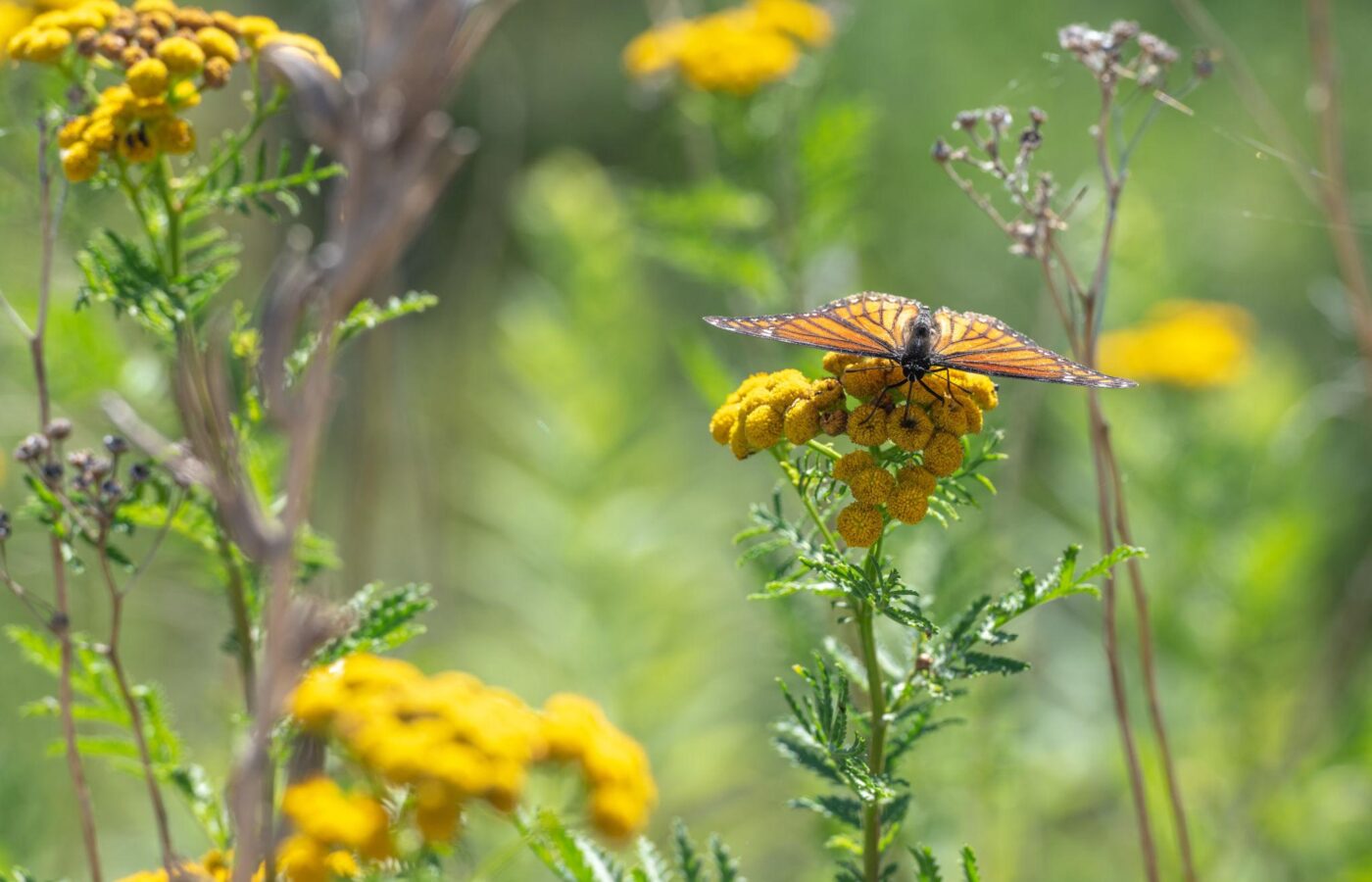
Every day, species disappear, habitats shrink, and ecosystems become increasingly fragile. Unlike earthquakes or floods, biodiversity loss happens gradually. There are no breaking news alerts when a butterfly species vanishes from a region or when the last wetland bird silently disappears from a city.
Yet these invisible losses are slowly dismantling the natural systems that support human civilization.
What Exactly is Biodiversity?
Biodiversity refers to the incredible variety of life found across our planet.
It includes:
- Plants and trees
- Birds and mammals
- Insects and pollinators
- Fish and amphibians
- Fungi and microorganisms
Together, these organisms form interconnected ecosystems where every species performs a unique ecological function.
Some pollinate crops, others enrich soil, control pests, purify water, or recycle nutrients. Remove enough pieces from this natural network, and the entire system begins to weaken.
The Sixth Mass Extinction
Scientists believe Earth is currently experiencing what is often described as the Sixth Mass Extinction.
Unlike previous extinction events caused by volcanic eruptions or asteroid impacts, this one is largely driven by human activity.
The primary causes include:
- Deforestation
- Habitat destruction
- Pollution
- Climate change
- Overexploitation of natural resources
- Invasive species
- Rapid urbanization
Every forest cleared, every wetland drained, and every river polluted removes habitats that thousands of species depend upon for survival.
Why Biodiversity Matters to Humans
Many people believe biodiversity is simply about protecting wildlife.
In reality, it directly supports human life.
Healthy ecosystems provide services that no technology can fully replace:
- Pollination of food crops
- Natural purification of water
- Fertile soils for agriculture
- Carbon storage
- Climate regulation
- Flood protection
- Disease control
When biodiversity declines, these natural services become weaker, increasing environmental and economic risks.
Protecting biodiversity is therefore not only an ecological responsibility—it is a necessity for long-term human well-being.
Cities Are Losing More Than Green Spaces
Urban expansion is changing the ecological balance of cities.
As forests, ponds, wetlands, and open landscapes disappear, so do the birds, butterflies, bees, and countless other species that once thrived there.
Many cities are becoming biologically quieter.
Fewer birds sing in the mornings.
Pollinators become increasingly rare.
Native plants are replaced by ornamental landscaping that supports little wildlife.
These changes may appear small individually, but together they indicate ecosystems under growing stress.
Conservation Must Go Beyond Protected Forests
For decades, biodiversity conservation has largely focused on national parks and wildlife sanctuaries.
While protected areas remain essential, biodiversity can no longer survive only inside fenced boundaries.
Cities, schools, businesses, institutions, and communities all play an important role in protecting habitats.
Conservation today means:
- Restoring degraded ecosystems
- Protecting native vegetation
- Preserving wetlands
- Reducing pollution
- Creating biodiversity-friendly urban spaces
- Monitoring ecological health over time
The future of biodiversity depends as much on our cities as it does on our forests.
A Living Planet is a Resilient Planet
Human civilization has always depended on healthy ecosystems.
The food we eat, the air we breathe, the water we drink, and the stability of our climate are all supported by biodiversity.
If biodiversity continues to decline, environmental recovery becomes increasingly difficult—even if carbon emissions are reduced.
Protecting nature is therefore not simply about saving wildlife.
It is about protecting the ecological foundation upon which every economy, every city, and every generation depends.
HFN Observation
“Climate change alters the environment. Biodiversity determines whether that environment can continue to support life.”
The future of sustainability will not be measured only by carbon emissions or renewable energy targets. It will also depend on whether humanity can protect the extraordinary diversity of life that keeps our planet functioning.