
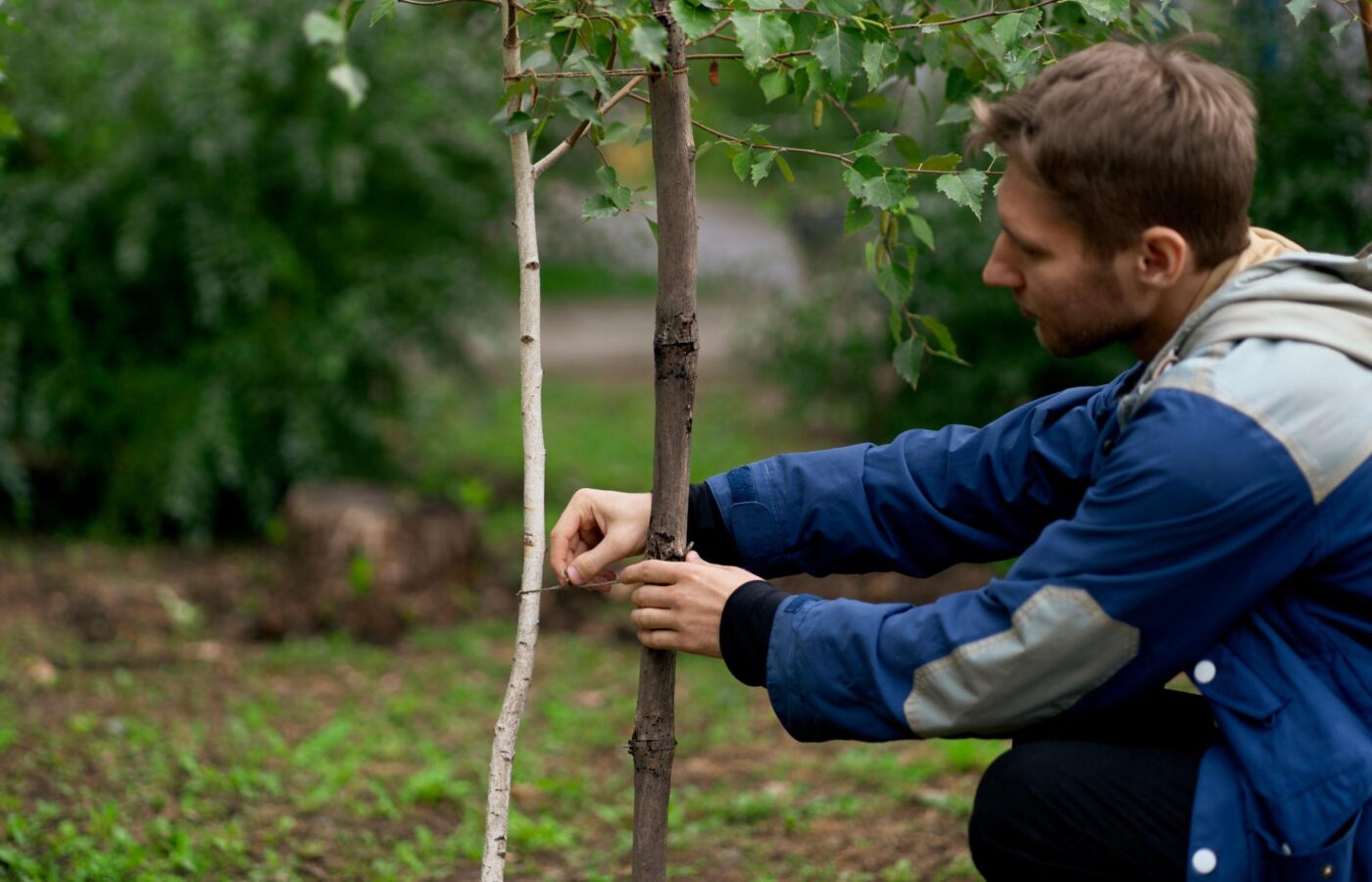
The Science of Tree Survival: Why the First Five Years Decide a Forest’s Future

Planting a tree takes only a few minutes.
Growing a tree into a healthy, self-sustaining part of an ecosystem takes years.
This simple fact explains why so many plantation campaigns fail. While public attention focuses on the day of planting, the real science of reforestation begins only after the volunteers leave. The first few years of a tree’s life determine whether it becomes a mature forest or another forgotten sapling that quietly disappears.
For environmental restoration to succeed, survival—not planting—must become the primary objective.
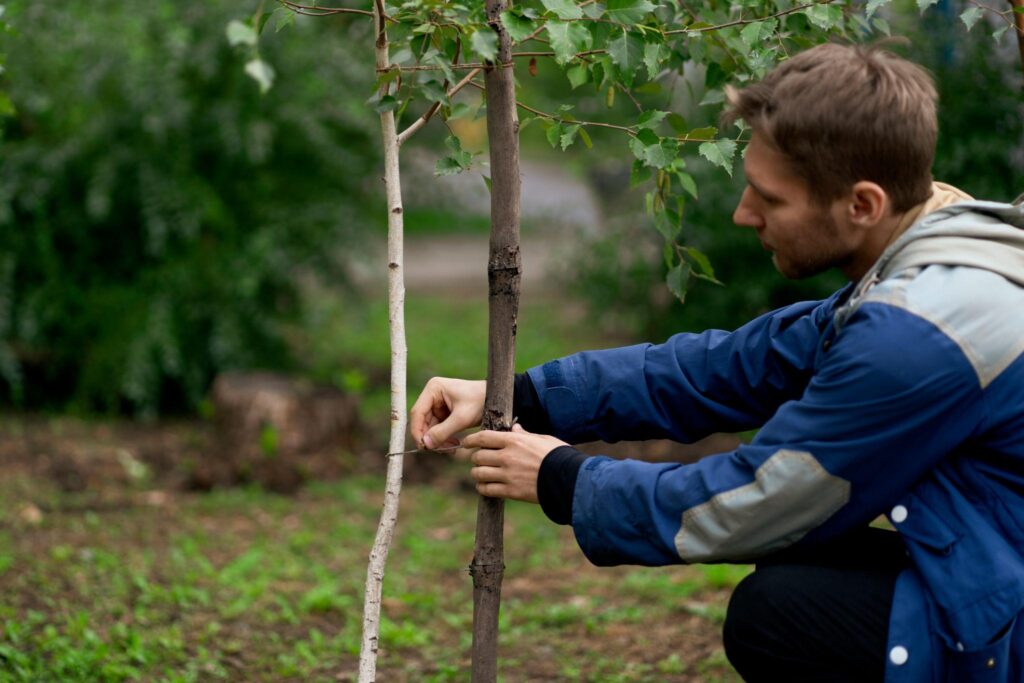
Why the Early Years Matter Most
A newly planted sapling is not yet capable of surviving on its own.
Unlike mature trees, young saplings have shallow and underdeveloped root systems. They cannot access deep groundwater, tolerate long dry periods, or withstand harsh environmental conditions.
During the first three to five years, the tree is highly vulnerable to:
- Summer heat and prolonged drought
- Soil moisture loss
- Pest and insect attacks
- Fungal diseases
- Physical damage from animals or human activity
- Competition from weeds and invasive plants
Without consistent care, many saplings fail before they ever establish a stable root network.
The first five years are therefore not simply a maintenance period—they are the foundation upon which the tree’s entire lifespan depends.
Choosing the Right Tree for the Right Place
Tree survival begins long before planting.
One of the most common mistakes in urban plantation drives is selecting species based on appearance or availability rather than ecological suitability.
Native tree species are naturally adapted to local rainfall, soil conditions, temperature, and biodiversity. Because they evolved in the same ecosystem, they generally require less maintenance once established and provide better habitat for birds, insects, and other wildlife.
Planting the right species in the wrong location can reduce survival rates, no matter how much effort is invested afterward.
Successful urban forestry starts with ecological planning—not just planting.
Watering Is a Science, Not a Routine
Many people believe that watering a tree every day is the best way to help it grow.
In reality, both overwatering and underwatering can harm young trees.
Seasonal watering schedules are far more effective than fixed routines.
During hot summer months, saplings require frequent irrigation to prevent water stress. During the monsoon season, natural rainfall often provides sufficient moisture. In winter, watering requirements decline significantly as evaporation slows.
Proper irrigation encourages roots to grow deeper into the soil instead of remaining close to the surface. Deep root systems make trees more resilient during future droughts.
Healthy Soil Creates Healthy Trees
A tree grows below the ground before it grows above it.
Healthy soil provides nutrients, stores moisture, and supports microorganisms that help roots absorb essential minerals.
Organic compost and natural mulching improve soil quality by:
- Retaining moisture
- Reducing evaporation
- Suppressing weed growth
- Supporting beneficial soil microbes
- Slowly releasing nutrients
Good soil management often has a greater impact on long-term survival than planting additional saplings.
Monitoring Saves Trees
Plantation projects often end after planting day.
Successful restoration projects continue for years.
Regular monitoring allows environmental teams to detect problems before they become irreversible.
Periodic inspections help identify:
- Pest infestations
- Disease symptoms
- Broken branches
- Water stress
- Poor growth rates
- Mortality requiring replacement planting
Technology is making this process more efficient. Geo-tagged trees, GPS mapping, and drone-based canopy surveys now allow organizations to monitor survival rates with greater accuracy and transparency.
Instead of relying on estimates, every tree can become a measurable environmental asset.
Building Forests, Not Headlines
A healthy urban forest is not created in a single plantation drive.
It is built through thousands of small maintenance decisions made consistently over several years.
Watering one week too late, ignoring pest attacks, or neglecting soil health may seem insignificant individually, but together they determine whether a sapling survives long enough to provide shade, store carbon, recharge groundwater, and support biodiversity.
The science of tree survival reminds us that restoration is not a one-day event—it is a long-term commitment.
HFN Observation
“The success of a plantation project is not measured by how many saplings enter the soil, but by how many continue growing long after the planting ceremony ends.”
Real environmental restoration demands patience, science, and accountability. Forests are not created on planting day—they are created through years of consistent care.