
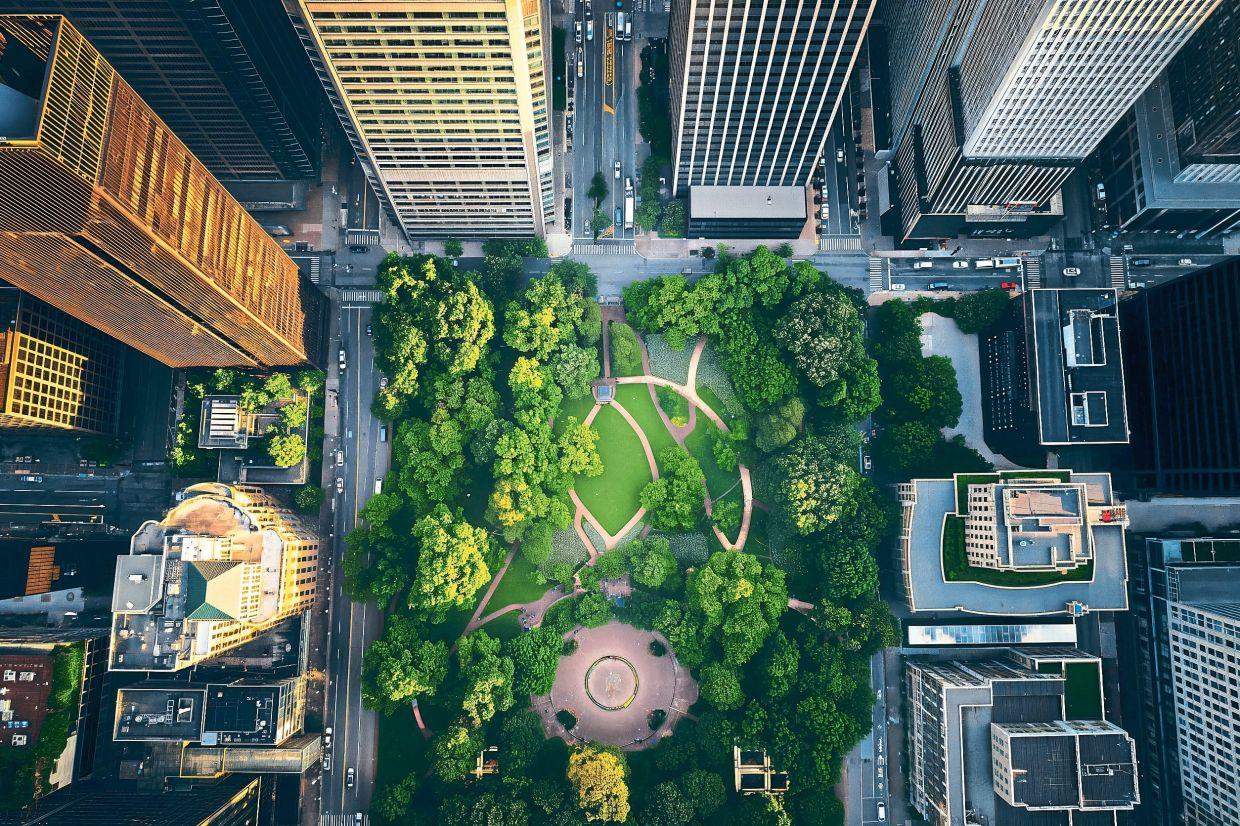
Nature-Based Solutions: Why the Best Technology for Saving the Planet Might Already Exist

For decades, humanity has responded to environmental problems by building bigger and more complex infrastructure.
When cities flood, we construct larger drainage systems.
When temperatures rise, we install more air conditioners.
When water becomes scarce, we drill deeper borewells.
When air pollution increases, we invest in expensive filtration technologies.
While these engineering solutions remain important, they often address the symptoms rather than the root causes.
Around the world, scientists are increasingly asking a different question:
What if nature has already solved many of these problems?
This idea forms the foundation of Nature-Based Solutions (NbS)—an approach that works with natural ecosystems instead of replacing them.
What Are Nature-Based Solutions?
Nature-Based Solutions are actions that protect, restore, or sustainably manage ecosystems to address environmental and social challenges while simultaneously benefiting biodiversity and human well-being.
Instead of fighting against nature, NbS allows natural systems to perform the work they have been doing for millions of years.
Examples include:
- Restoring forests to capture carbon.
- Conserving wetlands to reduce flooding.
- Protecting mangroves from coastal storms.
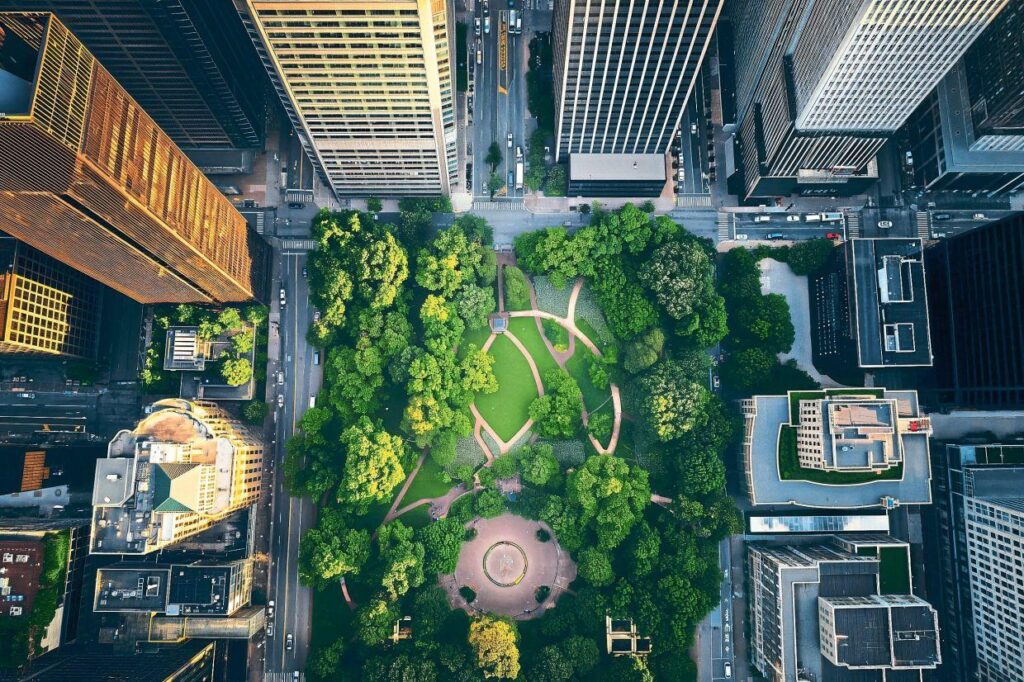
- Expanding urban green spaces to reduce heat.
- Restoring degraded soil to improve food security.
One solution often creates multiple environmental benefits.
Nature Is the World’s Oldest Engineer
Long before humans built dams, wetlands stored floodwater.
Long before modern air-conditioning, forests naturally cooled landscapes through shade and evapotranspiration.
Long before water treatment plants existed, healthy soils filtered rainwater before it entered underground aquifers.
Nature has spent millions of years refining systems that are remarkably efficient, self-sustaining, and renewable.
Modern engineering often tries to recreate processes that healthy ecosystems already perform naturally.
Solving Multiple Problems at Once
Traditional infrastructure is usually designed to solve one specific challenge.
Nature-Based Solutions are different.
A restored urban forest can simultaneously:
- Reduce local temperatures.
- Improve air quality.
- Capture atmospheric carbon.
- Recharge groundwater.
- Support biodiversity.
- Improve public health.
- Enhance mental well-being.
Similarly, a restored wetland can reduce floods, filter pollutants, store water, and provide habitat for wildlife—all without requiring continuous mechanical operation.
Why Cities Need Nature More Than Ever
Rapid urbanization has replaced natural landscapes with roads, buildings, and concrete.
As cities expand, they become more vulnerable to:
- Heatwaves.
- Flash floods.
- Water scarcity.
- Air pollution.
- Biodiversity loss.
Nature-Based Solutions help restore ecological functions that urban development has gradually removed.
Rather than treating green spaces as decorative features, future cities must recognize them as essential infrastructure.
Investing in Natural Infrastructure
Historically, environmental conservation has often been viewed as a financial cost.
Today, many economists and policymakers are beginning to see ecosystem restoration as an investment.
Healthy ecosystems reduce healthcare costs, lower disaster recovery expenses, improve water security, increase agricultural productivity, and strengthen climate resilience.
Every ecosystem restored today may prevent significantly larger environmental and economic costs in the future.
HFN Solution Framework
Nature-Based Solutions should become a central pillar of sustainable development.
Heavendoo envisions combining ecological restoration with science, technology, and community participation.
Short-Term
- Identify degraded urban ecosystems.
- Conduct biodiversity and groundwater assessments.
- Promote awareness of ecosystem services.
Medium-Term
- Restore urban forests, wetlands, and community green spaces.
- Develop GIS-based ecosystem mapping.
- Launch citizen participation programmes for ecological restoration.
Long-Term
- Create AI-powered ecosystem monitoring platforms.
- Build Digital Twin models of restored landscapes.
- Publish annual ecosystem health reports.
- Develop measurable restoration indices for cities and communities.
HFN Observation
“The future of sustainability will not depend only on building smarter cities. It will depend on rebuilding healthier ecosystems.”
Nature does not compete with technology. When combined intelligently, ecological restoration and modern innovation can create resilient communities that are healthier, safer, and better prepared for the environmental challenges of the future.
HFN Research Questions
- Should every city develop a Nature-Based Solutions master plan alongside its urban development plan?
- Can ecosystem restoration reduce long-term infrastructure costs more effectively than conventional engineering alone?
- How can emerging technologies such as AI, GIS, drones, and satellite monitoring strengthen Nature-Based Solutions while maintaining ecological integrity?