
Why Plantation Drives Fail: The Plant-and-Forget Epidemic

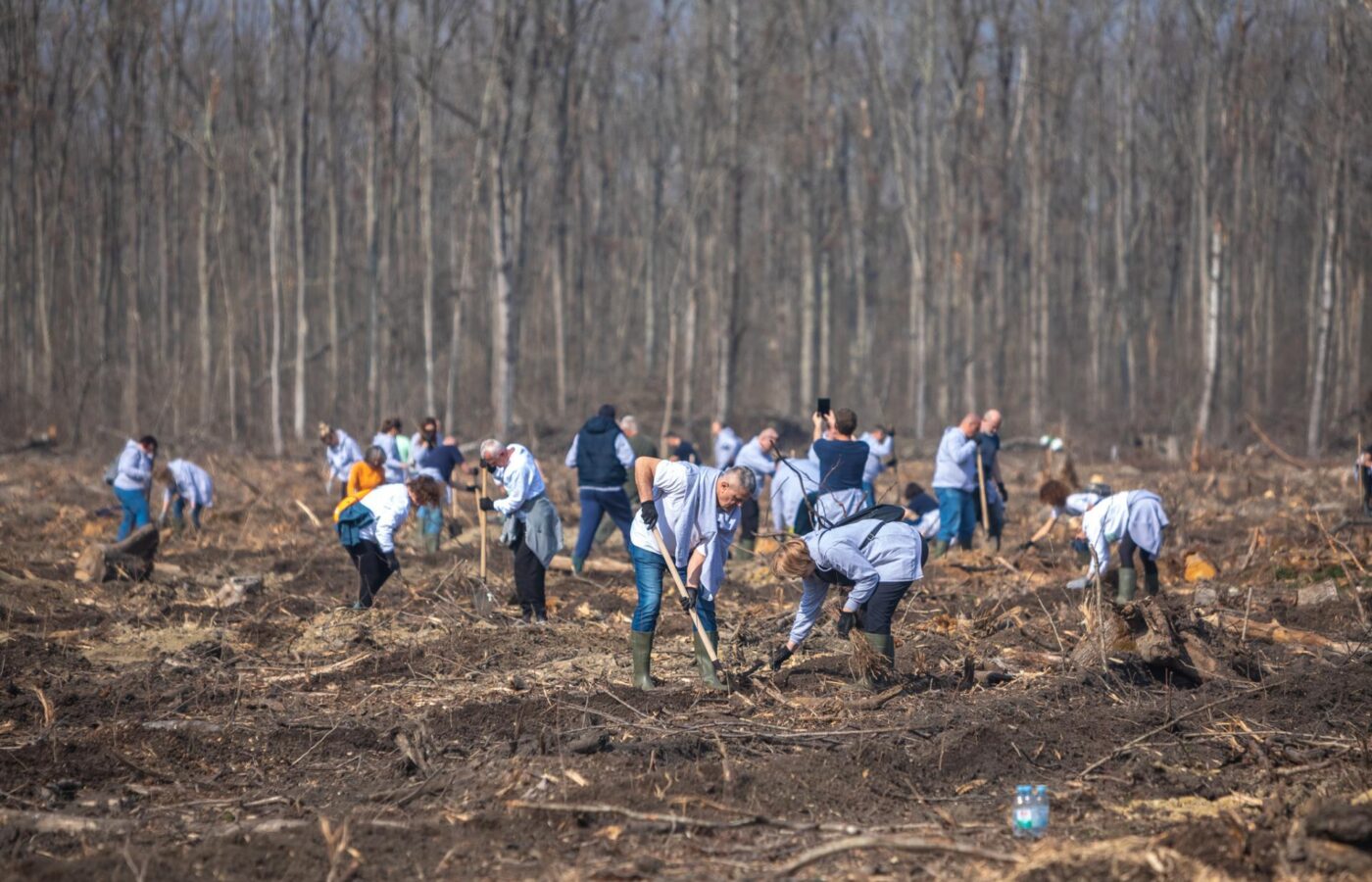
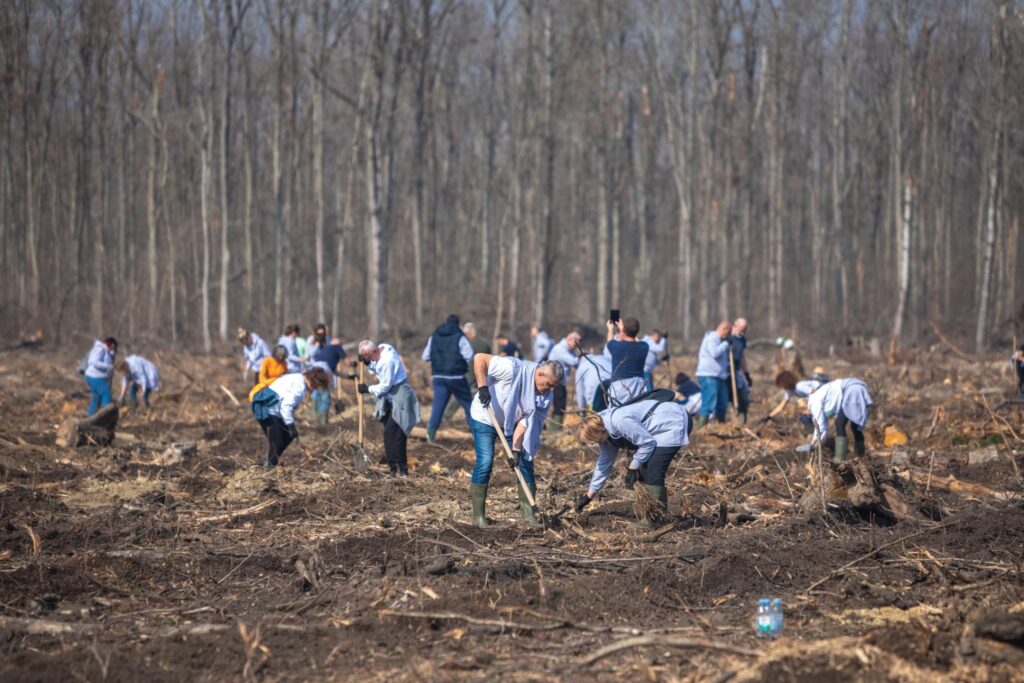
Every monsoon season, thousands of plantation drives are organized across cities, schools, corporations, and government institutions. Social media fills with photographs of smiling volunteers holding saplings, officials pose for cameras with shovels in hand, and impressive headlines announce that millions of trees have been planted.
On the surface, these campaigns appear to be a major victory for the environment.
But there is a critical question that rarely gets asked:
How many of those trees are still alive one year later?
The uncomfortable reality is that planting a sapling is the easiest part of reforestation. Keeping it alive is where the real challenge begins.
The Plantation Illusion
Most plantation drives measure success using a single metric: the number of saplings planted.
If an organization plants 10,000 saplings in a day, the campaign is often declared successful. Yet very few organizations publicly report what happens after the cameras leave.
Without regular watering, protection, and maintenance, a large percentage of newly planted saplings fail to survive their first few years. In many cases, survival rates are never measured at all.
This creates what environmental experts call the “Plant-and-Forget” Epidemic—a cycle where planting receives attention, but survival receives little accountability.
As a result, environmental impact is often reported based on trees planted rather than trees actually growing.
Why Young Trees Die
The first three years of a tree’s life are its most vulnerable period.
Newly planted saplings face multiple threats:
- Water stress during summer months
- Soil compaction in urban areas
- Damage from grazing animals
- Pest and disease attacks
- Competition from invasive weeds
- Human disturbances and vandalism
Without intervention, many saplings never establish the root systems required to survive independently.
A tree that dies within months provides no meaningful carbon capture, no shade, no biodiversity support, and no groundwater recharge.
In simple terms:
A dead tree cannot deliver environmental benefits.
The Photo-Opportunity Culture
Modern plantation drives often prioritize visibility over long-term outcomes.
Organizations receive publicity immediately after planting. Reports are published, photographs are shared, and targets are marked as completed.
Maintenance, however, generates far less attention.
Watering schedules, survival audits, pruning, and disease monitoring rarely appear in annual reports despite being the most important components of successful reforestation.
This imbalance creates a dangerous incentive structure where planting numbers increase while actual environmental outcomes remain uncertain.
Measuring What Actually Matters
Imagine two organizations:
Organization A
- Plants 10,000 saplings
- 20% survive after five years
Organization B
- Plants 500 saplings
- 90% survive after five years
On paper, Organization A appears more successful.
In reality, Organization B creates a far greater long-term environmental impact.
This highlights a fundamental flaw in how reforestation success is commonly measured.
The true metric should not be:
“How many trees were planted?”
Instead, it should be:
“How many trees survived?”
A Shift Toward Accountability
Environmental restoration must evolve beyond one-day events.
Successful urban forestry requires a lifecycle approach that includes:
- Native species selection
- Site preparation
- Seasonal watering schedules
- Pest and disease management
- Growth monitoring
- Survival audits
- Long-term maintenance commitments
Technology can also improve transparency. Geo-tagging, drone surveys, and public reporting systems allow donors and communities to verify whether planted trees are actually thriving.
Such systems transform reforestation from a symbolic activity into a measurable environmental investment.
The Future of Urban Forestry
As cities continue to struggle with rising temperatures, declining biodiversity, and groundwater depletion, urban forests will become increasingly important.
But solving these challenges requires a shift in mindset.
Planting should be viewed as the beginning of a project, not its completion.
The future of environmental restoration will belong to organizations that prioritize survival rates, accountability, and measurable ecological outcomes rather than headline numbers alone.
HFN Observation
“A plantation drive does not succeed when a sapling enters the ground. It succeeds when that sapling survives long enough to become a tree.”
The environmental sector must stop celebrating trees planted and start measuring trees living. Because in the fight against climate change, survival—not symbolism—is what ultimately matters.